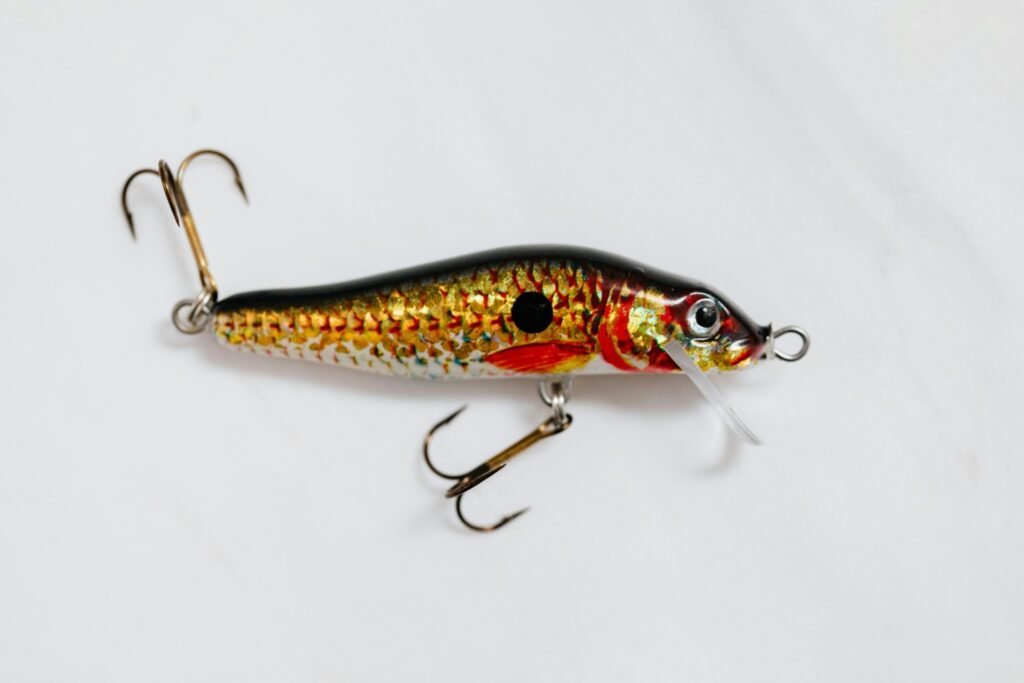
Most beginners don’t have the wrong lure.
They’re just using it the wrong way.
Learning how to retrieve a fishing lure correctly is what turns it from a piece of plastic into something that actually gets bites.
A fishing lure doesn’t come to life on its own. The way you move it through the water is what makes fish believe it’s food. If it doesn’t move naturally, it doesn’t matter how realistic it looks.
If you’ve ever felt like you’re doing everything right but still not catching fish, this is usually the missing piece.
The best way to retrieve a fishing lure is to match how real prey moves in the water. This usually means using a steady retrieve, adding pauses, or dragging the lure slowly depending on what fish are feeding on.
Why Retrieving a Fishing Lure Correctly Matters More Than the Lure
You can hand two people the same lure, fish the same water, and get completely different results.
The difference isn’t luck.
It’s how they retrieve it.
Fish react to movement. That movement tells them one of two things:
- this is food
- this is not worth chasing
A basic lure retrieved the right way will outfish a high-end lure used incorrectly almost every time.
The 3 Basic Fishing Lure Retrieval Techniques
You don’t need a dozen methods to start catching fish. Almost every effective approach falls into three simple fishing lure retrieval techniques.
Steady Retrieve
Cast out and reel in at a consistent speed.
This works best when:
- fish are active
- water is warmer
- fish are already feeding
Common lures:
- spinners
- crankbaits
- swimbaits
The key is control. Not too fast, not too slow—just natural.
Stop-and-Go
Reel for a few seconds, then pause.
That pause is what triggers bites.
When your lure stops, it:
- sinks
- suspends
- or shifts slightly
To a fish, that looks like something struggling.
This is one of the most effective ways to fish with lures, especially when:
- fish are following but not biting
- conditions are slower
- fish are pressured
Most strikes happen during the pause, not the movement.
Slow Drag
Let the lure sink, then slowly move it along the bottom.
This is a slower, more patient approach.
Best for:
- bottom feeders
- colder water
- inactive fish
Think:
- worms
- jigs
- soft plastics
If you’re unsure what to use here, see [Best Fishing Baits for Beginners].
Match Retrieval to What Fish Expect
Fish don’t react randomly. They respond to what they recognize as food.
Your retrieve should match what they expect to see.
Injured Baitfish
Most predatory fish look for easy meals.
An injured baitfish:
- moves unevenly
- pauses
- struggles
Best retrieve:
– stop-and-go
Bottom Feeders
These fish aren’t chasing fast-moving prey.
They’re looking for:
- crawfish
- worms
- slow-moving food
Best retrieve:
– slow drag
Reaction Strikes
Sometimes fish strike out of instinct, not hunger.
Fast, steady movement can trigger that reaction.
Best retrieve:
– steady retrieve
Common Mistakes Beginners Make
This is where most people struggle when learning how to fish with lures.
Retrieving Too Fast
The most common mistake.
Fast retrieves:
- look unnatural
- give fish less time to react
Slowing down often makes an immediate difference.
Being Too Consistent
A perfectly steady retrieve doesn’t always look real.
Natural movement includes:
- pauses
- small changes in speed
- slight irregular motion
Small adjustments make your lure look alive.
Not Adjusting
If something isn’t working, don’t keep repeating it.
Change:
- speed
- depth
- retrieval style
Sometimes a small change is all it takes.
How to Know If It’s Working
You don’t always need to catch fish to know you’re close.
Look for:
- light taps
- fish following your lure
- subtle line movement
These are signs fish are interested.
That usually means: your retrieve is close, but needs a small adjustment
If you’re still building your foundation, see [Fishing for Beginners — A Simple, Stress-Free Way to Start].
Keep It Simple
It’s easy to overcomplicate fishing.
You don’t need to.
Start with this:
- pick one lure
- pick one retrieval style
- learn how it behaves
Once you understand that, everything else starts to make sense.
Because at the end of the day, it’s not about having the perfect lure.
It’s about making it look alive. If you are ready to get out and start fishing read this: How to Catch Fish (What Actually Works for Beginners)
Frequently Asked Questions
How do you retrieve a fishing lure for beginners?
Start with a slow, steady retrieve so you can learn how your lure moves. Once you’re comfortable, add pauses or slight changes in speed to make it look more natural.
What is the best retrieval technique for fishing lures?
The best technique depends on conditions, but most situations can be covered with three methods: steady retrieve, stop-and-go, and slow drag.
Why am I not getting bites on my lure?
In most cases, it’s not the lure—it’s the retrieve. Try slowing down, adding pauses, or changing your rhythm before switching lures.
When should I use a slow drag retrieve?
Use a slow drag when fish are near the bottom or not actively feeding. This works especially well in colder water or pressured areas.
Do different lures require different retrieval techniques?
Yes, but many lures can be adjusted. Focus on how the lure moves and match that to what fish expect to see.
Is live bait easier than using lures?
Live bait can be easier because it moves naturally. Lures require you to create that movement yourself, but they’re more versatile once you learn how to use them.
For a full breakdown, see [Understanding Fishing Baits and Lures].