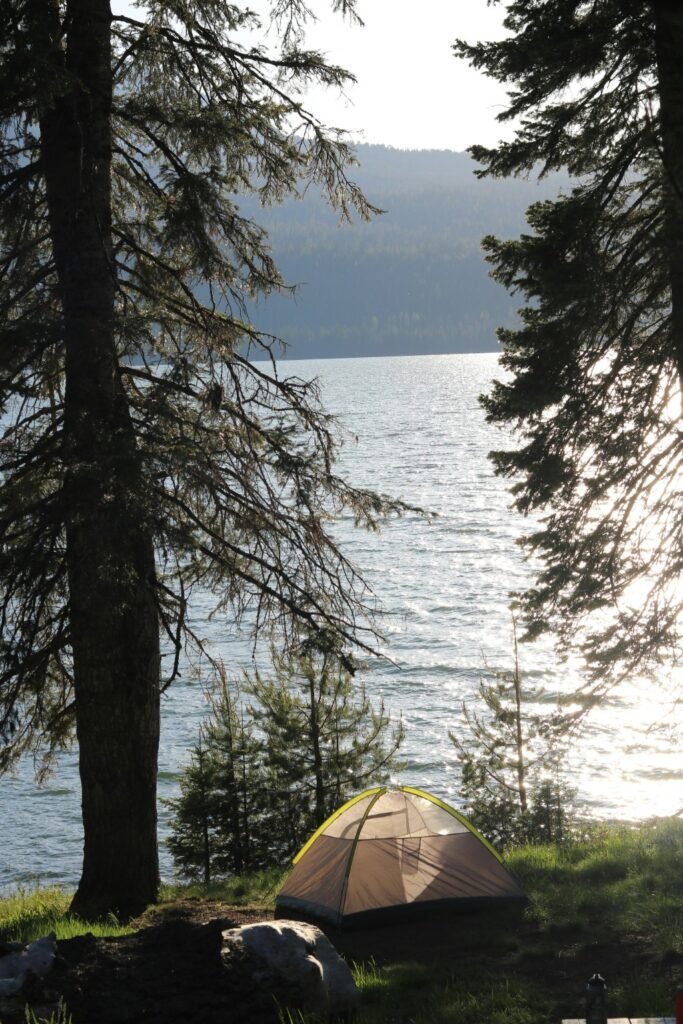
Many camping problems begin before the tent is even unpacked. How to choose a campsite is one of the most important skills campers can learn because the location you choose determines comfort, safety, and how well the rest of camp functions. A well-chosen campsite can make a trip relaxing and enjoyable, while a poor location can lead to uncomfortable nights, wet gear, and unnecessary stress.
If you’re still learning the fundamentals of planning and arriving at camp, see [Camping for Beginners — How to Plan, Pack, and Arrive Without Stress], which explains how experienced campers prepare for successful trips.
Taking a few minutes to study your surroundings before unpacking can prevent many common camping mistakes.
Why Campsite Selection Matters
Choosing the right campsite affects much more than where you sleep.
The location of your camp can influence:
• sleep quality
• weather exposure
• drainage during rain
• safety from hazards
• wildlife interaction
• overall camp organization
Experienced campers often spend several minutes studying the area before setting up their tent. They look at the terrain, wind direction, nearby trees, and how water might move through the area if it rains.
Understanding how to choose a campsite properly helps prevent many problems that beginners encounter.
Consider Your Distance from Camp Facilities
When camping at established campgrounds, the exact location within the campground can matter just as much as the terrain itself.
Bathrooms
Being close to the restroom can be convenient, especially at night or when camping with kids. However, campsites directly next to bathrooms often have more foot traffic and noise.
Showers
If the campground offers shower facilities, being within a reasonable walking distance can make cleanup easier after hiking, fishing, or long days outdoors.
Water Spigots
Many campgrounds provide shared water sources. Being near a water spigot can make filling containers for cooking or cleaning much easier.
The key is balancing convenience with privacy. Sometimes a campsite slightly farther from these facilities provides a quieter and more relaxing experience.
Look for Flat Ground (But Not the Lowest Ground)
Flat ground is important for comfort when sleeping in a tent.
Sleeping on a slope can cause you to slide downhill during the night or place pressure on your back and shoulders.
However, beginners often make the mistake of choosing the lowest flat area they see.
Low spots are where water naturally collects during rainstorms. Even a small dip in the terrain can become a puddle overnight if the weather changes.
Instead, look for flat ground that sits slightly elevated above the surrounding area. This allows water to drain away from your tent instead of pooling around it.
Understand Natural Water Flow
Rain always follows gravity.
Water flows downhill and will often collect in small channels or depressions in the terrain.
Before setting up a tent, take a moment to look at the surrounding ground and identify:
• small dips in the terrain
• natural runoff channels
• areas where water might flow during heavy rain
Avoid placing tents in these natural drainage paths.
Understanding water flow is an important part of campsite selection, especially if storms move in during the night.
Watch for Tree Hazards
Trees provide shade and wind protection, but they can also create hazards.
Before choosing a campsite, look up and inspect the trees above you.
Watch for:
• dead branches
• cracked limbs
• leaning trees
• hanging debris
These hazards are sometimes called “widowmakers” because falling branches can cause serious injury.
Choosing a campsite under healthy trees is fine but avoid spots where damaged branches could fall. As a wildland firefighter this saying is pounded into our heads and it applies with everything outdoors, Look up, Look down, Look around!! This simple practice can help insure you have a safe and fun trip.
Use Natural Wind Protection
Wind can make camping uncomfortable and can even affect tent stability.
Terrain and vegetation often provide natural wind protection.
Good wind protection can come from:
• tree lines
• hills or ridges
• large rock formations
• natural terrain barriers
Setting up your tent where these natural features block wind can make your campsite far more comfortable.
If you’re new to setting up tents properly, see [How to Set Up a Camping Tent (Step-by-Step for Beginners)].
Distance from Water Sources
Camping near water can seem appealing, but there are a few things to consider.
Being too close to water can create problems such as:
• increased insects
• higher humidity
• wildlife travel routes
• possible flooding during storms
Animals often travel along rivers, streams, and lakes, especially during the night.
Most experienced campers choose a location a short distance away from water rather than directly next to it.
This keeps the campsite cooler and quieter while still providing easy access to water.
Consider Sun and Shade
Sunlight can have a big impact on campsite comfort.
A campsite that receives morning sun has several advantages:
• dries overnight condensation on tents
• warms the campsite after cool nights
• helps gear dry faster
Shade can also be helpful, especially during hot weather.
A campsite that receives shade during the afternoon can stay significantly cooler during summer trips.
When deciding how to pick a campsite, it helps to think about how the sun will move across the area throughout the day.
Think About Camp Layout
A good campsite should provide enough space to organize camp effectively.
Ideally, your site should allow room for:
• tent placement
• cooking area
• fire area
• gear storage
Keeping these areas separated helps maintain safety and organization.
For example, tents should never be placed too close to the fire area.
If you’re learning how experienced campers organize their campsites, see [Camping Setup Order — What to Set Up First].
Common Campsite Selection Mistakes
Many camping problems can be traced back to poor campsite choices.
Some of the most common mistakes include:
• camping in low ground where water collects
• ignoring wind direction
• pitching tents too close to fire areas
• camping directly beside water
• setting up under dead branches
Beginners often rush to unpack gear when they arrive at camp. Taking a few extra minutes to study the environment can prevent these problems.
If you’re new to camping and want to avoid other common issues, see [Common Beginner Camping Mistakes].
A Simple Campsite Checklist
Before unpacking your gear, take a moment to evaluate the area using this simple checklist.
Look for a campsite that has:
• flat ground
• slight elevation for drainage
• clear debris and rocks
• healthy trees without falling hazards
• natural wind protection
• good drainage paths
• reasonable distance to facilities
• enough space for proper camp layout
Taking a few minutes to check these conditions can dramatically improve your camping experience.
Conclusion
Learning how to choose a campsite is one of the most valuable camping skills you can develop.
A good campsite improves sleep, keeps gear dry, protects against wind, and makes the entire camp easier to manage.
By paying attention to terrain, wind protection, drainage, tree safety, and campground layout, campers can avoid many of the problems that turn a relaxing trip into a frustrating one.
A few extra minutes spent studying the environment before unpacking can make the difference between a stressful trip and a comfortable campsite.