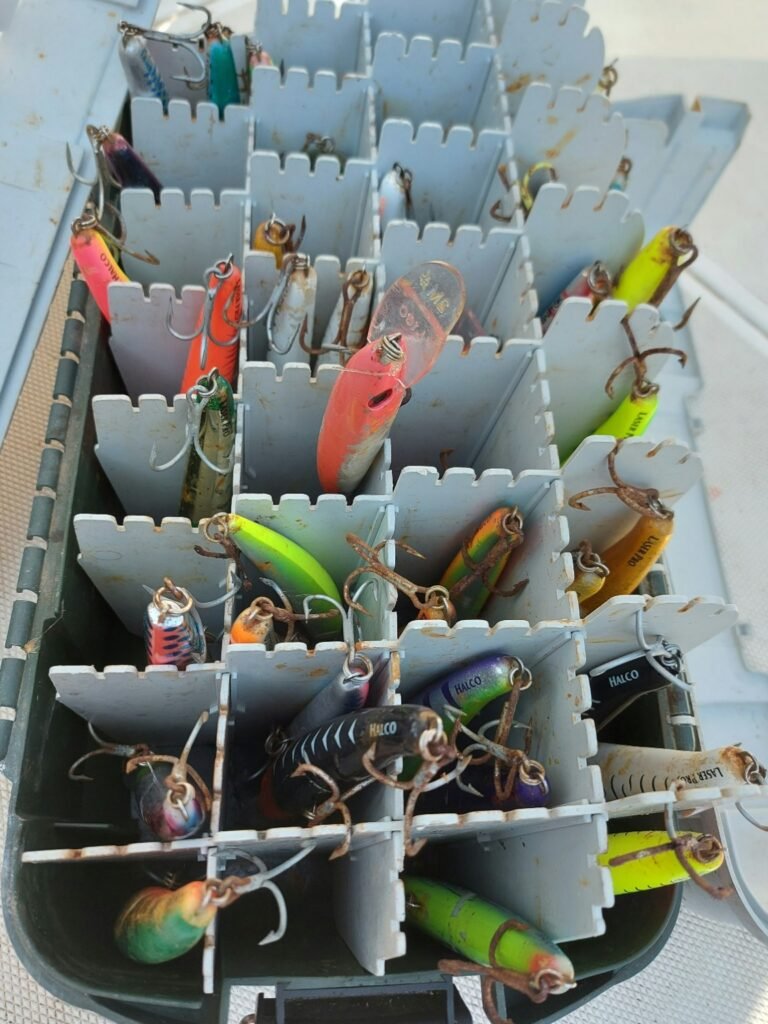
One of the most common questions new anglers ask is simple: what are the best fishing baits for beginners?
When people are first learning how to fish, choosing bait can feel overwhelming. Walk into any tackle shop and you’ll see walls filled with lures, live bait options, and other gear. It can make it seem like you need dozens of different baits just to get started.
The easy answer would be to say, “Just use worms until you get used to fishing.”
And honestly, worms do catch fish.
But what fun is that?
The truth is that every bait has a role. If fishing was as simple as putting a worm on a hook every time, the massive fishing industry probably wouldn’t exist. Different baits work better in different situations depending on the conditions.
Before you start buying bait it’s important to know when fish are most active.
Instead of asking what the single best bait is, a better question is:
What bait works best for the situation you’re fishing in?
Several factors influence which bait works best:
• water temperature
• type of body of water
• water clarity (clear vs muddy)
• vegetation and cover
• fishing around structure
Once you start thinking about these conditions, choosing the best fishing bait for beginners becomes much easier. If you are new to fishing check out, Understanding Fishing Baits and Lures (Types of Fishing Bait Explained for Beginners)
Water Temperature
Water temperature plays a big role in how fish behave and how aggressive they are.
When water is warm, fish tend to be more active and willing to chase prey. This makes artificial lures a great option because they imitate baitfish or other moving food sources.
Beginner-friendly lure options include:
• spinnerbaits
• small crankbaits
• soft plastic swimbaits
When water temperatures drop, fish usually become slower and less aggressive. In colder water, slower baits and natural scents tend to work better.
Examples include:
• live worms
• minnows
• soft plastic worms
• cut bait
Type of Body of Water
The type of water you’re fishing also affects which bait works best.
Small Ponds and Lakes
Ponds and small lakes often contain fish that feed on insects, worms, and small baitfish.
Some beginner-friendly bait choices include:
• live worms
• small jigs
• soft plastic worms
• small spinners
Live bait such as worms remains one of the easiest ways to catch fish when you’re first learning the basics. You can learn more about these options in [Live Bait for Fishing].
Rivers and Streams
Moving water creates different fishing conditions. Fish in rivers and streams often react well to lures that create vibration or flash.
Good beginner bait choices include:
• spinners
• spoons
• crankbaits
• live bait like worms
Lures that create vibration help fish locate them in moving water. These lure types are explained further in [Artificial Fishing Lures Explained].
Clear Water vs Muddy Water
Water clarity plays a major role in how fish locate food.
Clear Water
When water is clear, fish rely heavily on sight.
Natural-looking presentations usually work best in clear water.
Examples include:
• soft plastic worms
• natural colored swimbaits
• subtle crankbaits
Soft plastics are explained in more detail in [Soft Plastic Baits for Fishing: Types and When to Use Them].
Muddy or Stained Water
When water is muddy or stained, fish rely less on sight and more on vibration and scent.
In these conditions, anglers often use:
• spinnerbaits
• vibration lures
• live bait
• cut bait
Baits that release scent into the water can be especially effective in these situations. You can learn more about scent-based bait in [Natural Cut Baits].
Fishing Around Vegetation and Cover
Many fish hold around cover such as:
• lily pads
• weeds
• cattails
• fallen trees
Fishing around vegetation can be tricky because hooks can easily get snagged.
Baits that work well around cover include:
• soft plastic worms
• weedless hooks
• frog-style lures
• jigs
Soft plastics are especially popular for fishing around cover because they can be rigged in ways that avoid snags. Learn more about these baits in [Soft Plastic Baits].
For many soft plastics you will need offset worm fishing hooks.
Fishing Around Structure
Structure refers to underwater features like:
• rocks
• docks
• fallen trees
• ledges
• drop-offs
Fish often gather around structure because it provides shade, protection, and feeding opportunities.
Some beginner-friendly baits for fishing structure include:
• jigs
• soft plastic crawfish
• crankbaits
• live bait
These baits allow anglers to slowly work around areas where fish are likely hiding.
Don’t Be Afraid to Experiment
One of the biggest lessons fishing teaches you is that experimentation is part of the process.
Different days, weather conditions, and water temperatures can all change what fish are willing to bite.
One habit I personally have is fishing with two approaches at once.
I’ll often throw out a line with natural bait like chicken liver or another scent-based bait and let it sit propped up while I fish with another rod.
While that bait is soaking, I’ll grab a second rod and experiment with different lures.
Sometimes the fish prefer the natural bait.
Sometimes they hit the lure.
Either way, you learn something about the conditions that day.
Simple Baits Beginners Should Start With
If you’re just getting started, you don’t need dozens of baits.
A few simple options can cover most situations.
Some of the best fishing baits for beginners include:
• live worms
• soft plastic worms
• small spinnerbaits
• basic crankbaits
• live minnows
These baits are simple, reliable, and work in many different environments.
As you gain experience, you’ll naturally start expanding your tackle box and experimenting with different baits. If you have read this and feel ready to give it a try read: How to Catch Fish (What Actually Works for Beginners)
Frequently Asked Questions
What is the easiest fishing bait for beginners?
Live worms are often the easiest bait for beginners because they are simple to use and attract many fish species.
Do beginners need live bait or artificial lures?
Beginners can use either. Live bait is often easier at first, while artificial lures allow anglers to cover more water and experiment with different presentations.
What bait catches the most fish?
There isn’t a single bait that always catches the most fish. The best bait depends on water conditions, temperature, and the type of fish you’re targeting.
Should beginners start with worms?
Yes. Worms are one of the easiest and most reliable fishing baits for beginners and are widely used by anglers learning the basics.
Can beginners catch fish using lures?
Absolutely. Many beginners catch fish using simple lures such as spinnerbaits, crankbaits, and soft plastic worms.
Final Thoughts
Fishing can feel overwhelming at first because there are so many bait choices.
But beginners don’t need to master everything right away.
Start with a few simple baits, pay attention to the conditions, and don’t be afraid to experiment.
Over time you’ll start noticing patterns in what fish respond to.
And once that happens, choosing the right bait becomes much easier.