One of the best pieces of advice I ever heard was simple, but it stuck with me:
“Hunting season begins right after hunting season ends.”
At first, that statement can sound backwards — especially to new hunters. After all, the season just closed. Tags are filled or unfilled. Gear is put away. Life moves on.
But this advice isn’t about hunting more.
It’s about hunting better.
And more importantly, it’s about learning without pressure.
What That Advice Really Means
When hunting season ends, the rush disappears.
There’s no opening day clock.
No pressure to make something happen.
No expectation of success.
That’s when the woods begin to teach you the most.
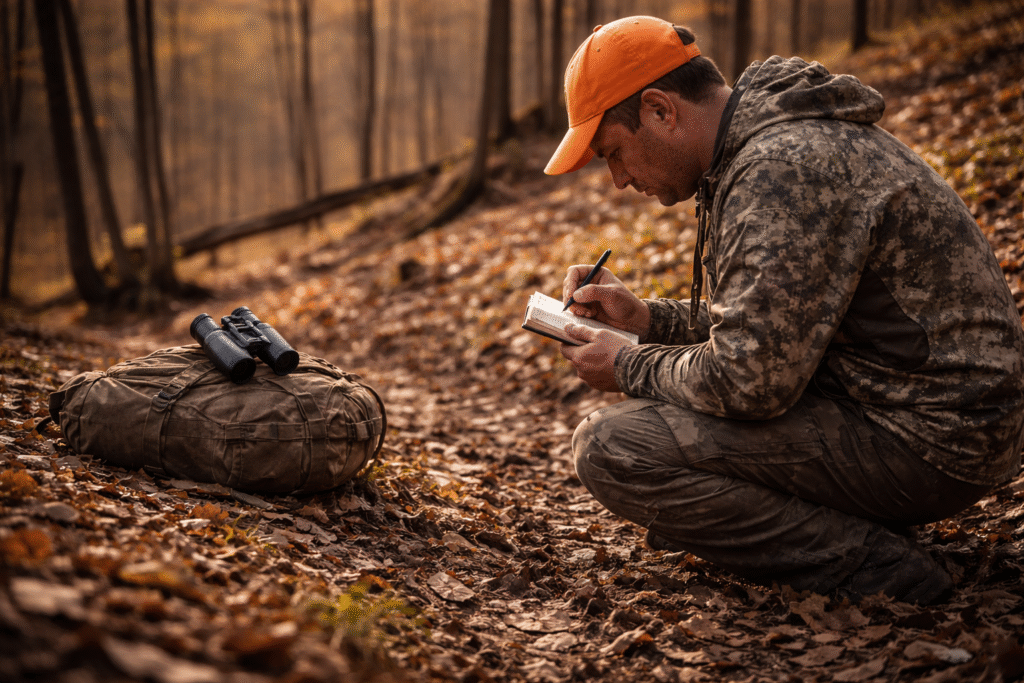
Post-season is when you can slow down and start paying attention — not to harvest an animal next year, but to understand the land more clearly.
You begin to see:
- Trails you walked past in a hurry during the season
- Bedding areas that were invisible before
- How terrain naturally funnels movement
- Where access routes help — and where they hurt
This kind of learning doesn’t require a weapon.
It just requires time and curiosity.
Scouting Without the Pressure of the Season
Scouting after the season is different.
You’re not trying to force patterns or predict exact movements. You’re observing. Learning. Asking quiet questions.
Why do deer move here instead of there?
How does the wind behave on this ridge?
Where does the terrain naturally guide travel?
Without the pressure of a hunt, these answers become clearer.
This is also when mistakes don’t cost you anything — and that’s valuable.
Preparation Isn’t About Obsession
There’s a misconception that year-round preparation means being obsessed or extreme.
It doesn’t.
It means being intentional.
It means:
- Improving your marksmanship when there’s no rush
- Getting more comfortable with your bow outside the season
- Adjusting gear slowly instead of scrambling
- Planning multiple access routes instead of relying on one
- Thinking through wind and thermals calmly, not reactively
This kind of preparation removes uncertainty — and uncertainty is what creates rushed decisions in the woods.
Confidence Is Built Before the Season Begins
When next season arrives, preparation shows itself quietly.
You don’t feel lost pulling into a parking spot.
You don’t wonder where to go.
You’re not second-guessing every decision.
You already know:
- Where you’re headed
- How you’ll approach the area
- How the wind usually behaves
- What your strengths and limits are
That confidence doesn’t make hunting frantic.
It makes it calm.
And calm hunters tend to make better decisions.
Why This Matters for Beginners
For new hunters, this mindset is especially important.
You don’t need to know everything in your first season.
You don’t need to master every skill at once.
Hunting skills are built in stages — and some of the most important ones happen when you’re not even hunting.
Walking the woods.
Practicing with intention.
Reflecting honestly on what worked and what didn’t.
This approach removes pressure and replaces it with progress.
Hunting Is Built Over Seasons, Not Moments
Good hunters aren’t created on opening morning.
They’re shaped quietly — in the off-season, when expectations are low and learning comes easier.
That’s what this advice really points to.
Hunting season doesn’t start with a calendar date.
It starts with preparation, patience, and respect for the process.
And when next season rolls around, you don’t feel rushed to catch up.
You’re already ready.
Why This Mindset Matters
This way of thinking keeps hunting grounded.
It reminds us that:
- Success isn’t last-minute
- Confidence isn’t accidental
- Responsibility grows over time
- Learning never really stops
Hunting isn’t about squeezing everything into a few weeks.
It’s about building something steady, season after season.
That’s how good hunters are made.
And that’s why the best hunting season often begins right after the last one ends.