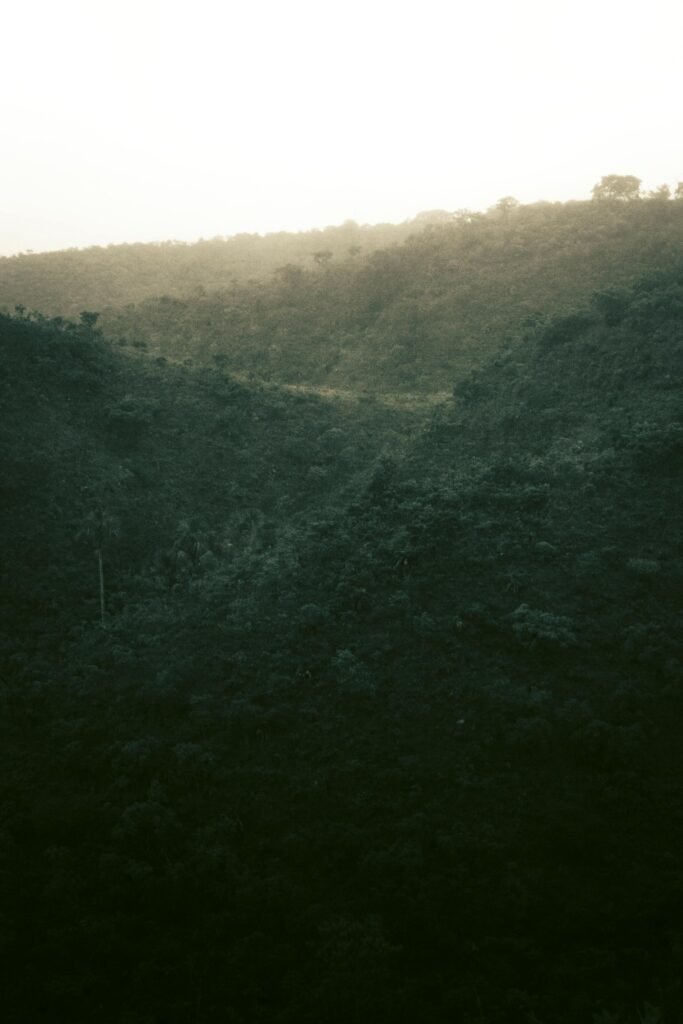
Ridge systems are some of the most productive places to hunt whitetails. When used correctly, ridges naturally guide deer movement and allow hunters to intercept travel routes between bedding areas and feeding locations.
However, simply hanging a stand somewhere on a ridge rarely produces consistent results. Deer don’t usually travel directly along the highest point of a ridge, and understanding how they use these terrain features can make a major difference when choosing a stand location.
Learning where to hang a tree stand on a ridge starts with understanding how deer move through hill country and how terrain influences those travel patterns. Reading, How to Choose Where to Place a Tree Stand can help you understand all the different factors when deciding your tree stand location.
How Deer Use Ridge Systems
Ridges often provide deer with efficient travel routes through rugged terrain. Instead of climbing steep slopes or dropping into valleys repeatedly, deer tend to follow paths that conserve energy and offer security.
Many times this means traveling along the sides of ridges rather than directly on top.
Side slopes allow deer to:
• move efficiently across terrain
• stay partially hidden from predators
• monitor wind and scent conditions
• access bedding areas along the ridge
Because of this, the most productive stand locations on a ridge are often slightly off the top where deer naturally travel. Understanding Deer Movement (What Actually Matters and What Doesn’t) is a great read to help you understand this.
Where Deer Travel on a Ridge
Deer rarely travel directly on the highest point of a ridge. Instead, they often move along the upper third of the side slope, sometimes referred to as the military crest.
This allows deer to move efficiently while staying hidden from skylining themselves against the horizon. Traveling slightly below the ridge top also allows deer to monitor wind conditions and detect scent drifting through the woods.
Hunters who understand this often place their stands slightly below the ridge top where deer feel more secure traveling.
Understanding this travel pattern can help hunters avoid placing stands where deer rarely move.
Why the Side of the Ridge Is Often Better Than the Top
Many new hunters hang their stands right on the ridge top because it seems like the highest vantage point. While visibility may be good there, deer often prefer traveling just below the crest.
The side of the ridge offers deer several advantages:
• wind protection
• security cover
• easier travel routes
• access to bedding areas
Learning to hunt these side slopes instead of the ridge top can dramatically improve stand placement success.
Natural Funnels Along Ridge Systems
Some parts of a ridge naturally concentrate deer movement more than others. Hunters often look for terrain features that create travel funnels.
Common examples include:
• ridge points
• saddles
• terrain pinch points
• edges between bedding cover and open woods
When these features appear along a ridge system, they can create excellent stand locations because multiple deer travel routes intersect there.
Choosing the Right Tree on a Ridge
Once you’ve identified a productive section of a ridge, the next step is choosing the specific tree for your stand.
Look for trees that provide:
• background cover to break up your outline
• shooting lanes toward travel routes
• safe climbing conditions
• adequate stand height options
Many hunters also prefer trees that allow them to stay slightly off the main trail while still covering the expected travel path.
Considering Wind Direction
Wind direction is one of the most important factors when hunting ridge systems.
Because ridges often create swirling wind currents, hunters usually try to position their stands where the wind carries scent away from approaching deer.
In many situations, crosswinds can be ideal when hunting ridges because they allow deer to travel naturally while keeping human scent out of their path.
Thermals can also influence scent movement in hill country.
Understanding both wind and thermals can help hunters choose ridge stands that remain productive under different conditions.
Planning Access Routes
One of the biggest mistakes hunters make when hunting ridge systems is alerting deer while approaching their stand.
Quiet entry routes that avoid crossing deer travel paths are critical for successful ridge hunting.
Using terrain features such as benches, creek bottoms, or the backside of ridges can help hunters approach their stand without pushing scent into the area they plan to hunt.
Gear That Helps When Hunting Ridge Systems
Hunting ridges often requires climbing trees in uneven terrain or carrying gear into hill country. The right equipment can make stand placement safer and more efficient.
Some hunters prefer lightweight hang-on stands for ridge hunting because they are easier to carry and allow flexible stand placement.
Climbing sticks or mobile climbing stands can also make it easier to reach safe stand heights.
Safety should always come first when hunting elevated stands. This may be one of the most important things I say, never go up into a tree without a Tree Stand Safety Harness
These tools can make hunting ridge systems more efficient while helping hunters safely access their stand location.
Common Mistakes When Hanging a Stand on a Ridge
Several mistakes frequently occur when hunters first begin hunting ridge systems.
Some of the most common include:
• placing stands directly on the ridge top
• ignoring wind direction
• hunting areas without natural funnels
• choosing trees that lack background cover
• entering the area through deer travel routes
Understanding these mistakes can help hunters avoid unproductive stand locations.
Final Thoughts
Ridge systems can provide excellent tree stand locations when hunters understand how deer move through hill country.
Instead of focusing only on elevation, successful hunters look for travel routes along the sides of ridges, natural terrain funnels, and wind conditions that keep their scent away from approaching deer.
When terrain knowledge, wind direction, and careful stand placement work together, ridge hunting can become one of the most consistent ways to intercept deer movement during hunting season. The key is knowing How to Choose Where to Place a Tree Stand (Using Terrain, Wind, and Deer Movement)