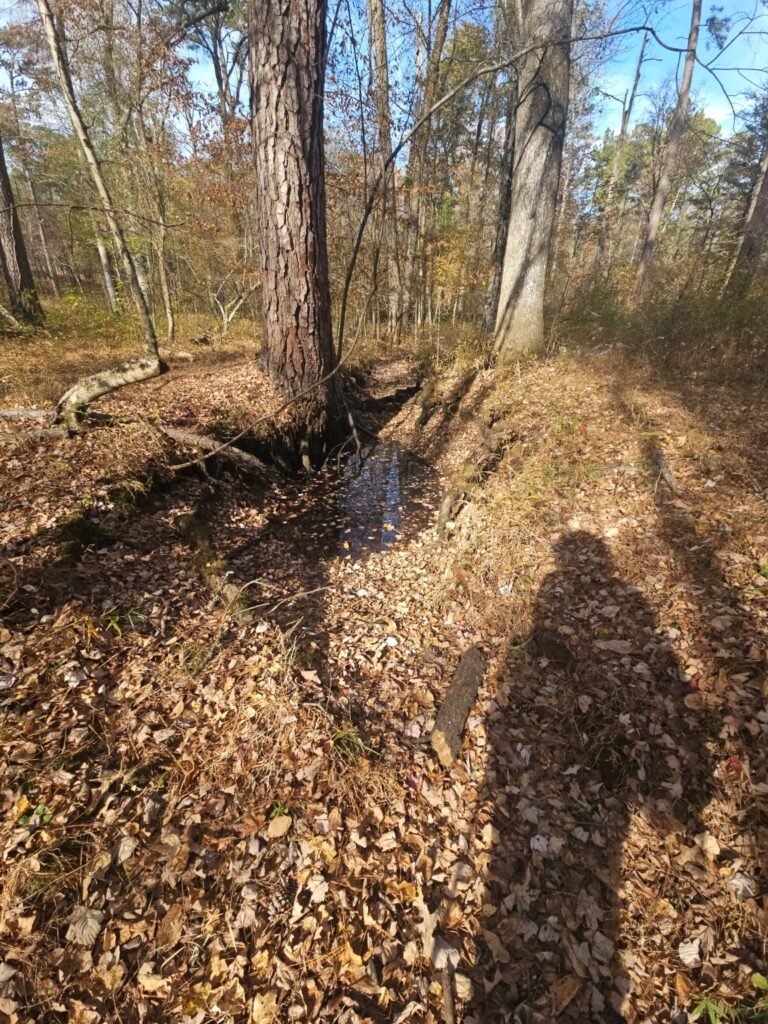
Learning where to place a tree stand is an important part of deer hunting. But understanding where NOT to put a tree stand can be just as important.
Many hunters focus on terrain features, deer sign, and travel routes when choosing a stand location. While those factors matter, placing a stand directly on top of those areas can sometimes do more harm than good.
When stands are placed in the wrong location, deer may detect movement, scent, or pressure and begin avoiding the area altogether.
Understanding the most common tree stand placement mistakes can help hunters reduce pressure and improve long-term success.
How to Choose Where to Place a Tree Stand
Early Lessons from Tree Stand Hunting
When I first started hunting from elevated stands, things looked a little different than they do today.
Back then, most stands were homemade. Hunters would often nail 2×4 boards directly into a tree and build a small wooden platform to sit on. Those stands usually stayed in the same tree year after year.
When portable tree stands became more common, I had to adjust how I hunted.
Because stands allowed hunters to move more easily, I started placing them directly on the areas where I saw the most deer activity.
Sometimes I hung stands right over bedding areas. Other times I placed them directly on travel routes or close to fresh scrapes.
Needless to say, my success rate dropped quickly.
The advice I was given at the time was simple:
“If you’re high enough in a tree, deer can’t see or smell you.”
It didn’t take long to learn that wasn’t entirely true.
Deer could still smell me when the wind was wrong, and they could certainly pick up movement if they walked directly under the stand.
That lesson changed the way I started thinking about stand placement.
Placing Stands Directly on Deer Trails
One of the most common mistakes hunters make is hanging a stand directly on a heavily used deer trail.
It seems logical to sit directly where deer are traveling, but deer passing directly under a stand often notice movement, scent, or noise.
Instead of placing a stand directly on the trail, many hunters position their stand slightly off the trail so deer move naturally through the area without focusing attention on the tree.
Best Tree Stand Height for Deer Hunting
Hunting Too Close to Bedding Areas
Another common mistake is placing stands directly inside bedding areas.
While deer may spend a lot of time in these locations, hunting too close to bedding cover can quickly push deer out of the area.
Mature bucks in particular tend to avoid areas where they detect repeated human pressure.
Instead, hunters often place stands along travel routes leading to bedding areas rather than directly inside them.
Morning vs Evening Stand Placement for Deer Hunting
Ignoring Wind Direction
Wind direction is one of the fastest ways to ruin a stand location.
Even a perfectly placed stand can fail if wind carries human scent toward approaching deer.
Elevation alone does not prevent deer from smelling a hunter.
How Wind and Thermals Affect Tree Stand Placement
Hunters who ignore wind direction often educate deer quickly, especially mature bucks.
Overhunting a Good Stand
Sometimes the mistake is not where a stand is placed, but how often it is hunted.
Even excellent stand locations can become less productive if they receive too much pressure.
If deer repeatedly detect human activity in an area, they may begin avoiding the location or shift their movement patterns.
Learning when not to hunt a stand can be just as important as choosing where to place it.
Poor Access Routes
Even a well-placed stand can fail if hunters alert deer while entering the area.
Walking through feeding areas, crossing travel routes, or pushing scent through a bedding area on the way to the stand can ruin the hunt before it begins.
Tree Stand Access Routes (How to Enter Without Spooking Deer)
Carefully planned entry routes allow hunters to reach their stand without alerting deer nearby.
Better Stand Locations
Instead of placing stands directly on top of deer activity, many hunters find success by setting up slightly off those locations.
Examples include:
• downwind sides of travel routes
• edges of terrain funnels
• transitions between bedding cover and feeding areas
• areas that allow quiet entry routes
Where to Hang a Tree Stand on a Ridge
How to Hunt Saddles with a Tree Stand
These locations allow hunters to intercept deer movement without putting pressure directly on the areas deer rely on most.
Where NOT to Put a Tree Stand FAQ
Should you put a tree stand directly on a deer trail?
Most hunters prefer placing stands slightly off the trail so deer move naturally through the area.
Is it a good idea to hunt directly over a deer bed?
Hunting directly over bedding areas often pushes deer out of the area and increases hunting pressure.
Can deer smell hunters in tree stands?
Yes. Wind direction and thermals can carry scent even when hunters are elevated.
Is it bad to hunt the same stand too often?
Overhunting a stand can cause deer to avoid the area or change their travel routes.
Final Thoughts
Learning where NOT to put a tree stand often comes from experience.
Many hunters begin by placing stands directly on deer sign, bedding areas, or travel routes, only to realize those locations can quickly become pressured.
By stepping slightly away from the most obvious spots and paying attention to wind, terrain, and access routes, hunters can place stands in locations that intercept deer movement without alerting them.