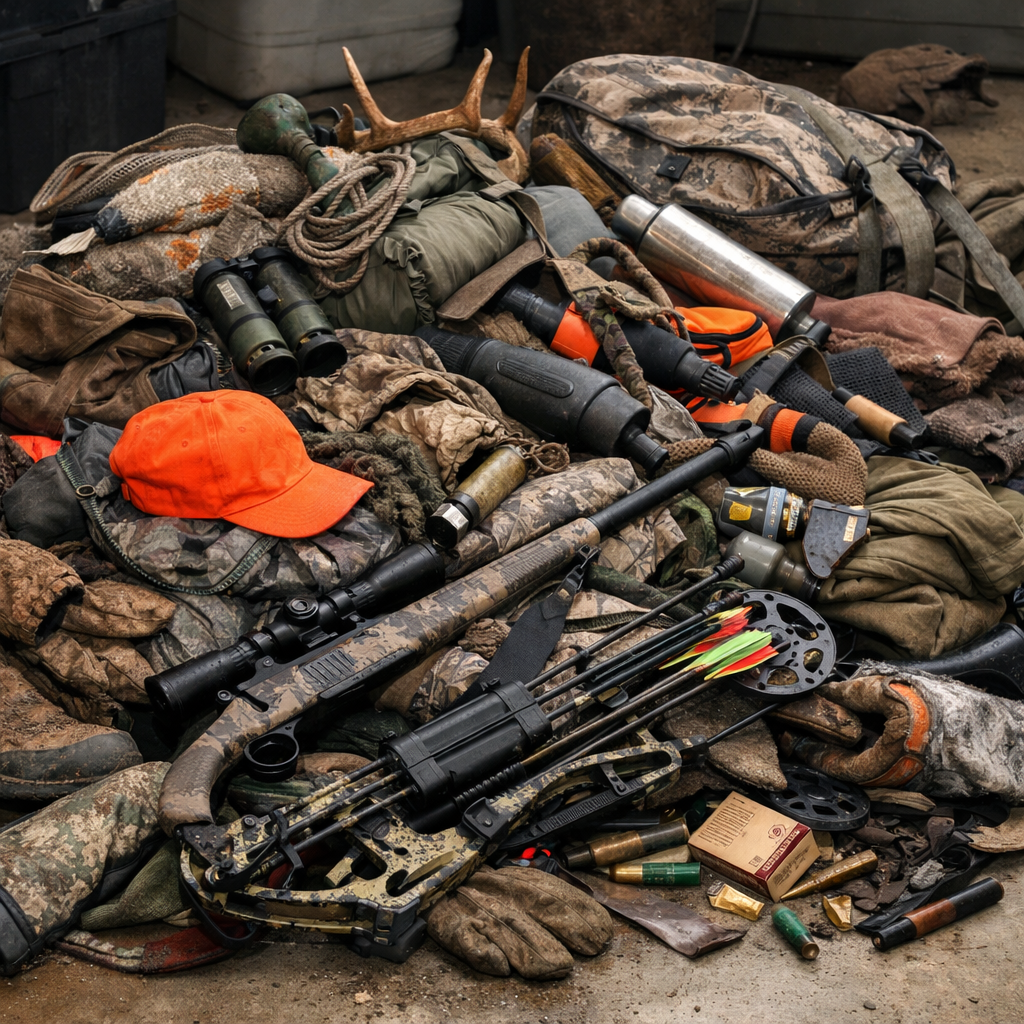
For years, when hunting season ended, I did what most people do.
I threw everything into a bin.
Boots. Layers. Packs. Gloves. Orange gear.
Lid on. Stacked in the shed. “Deal with it next year.”
And most years, I did.
Going into the next season, my schedule usually meant I wasn’t hunting opening weekend anyway. I accepted it and moved on.
Until one year, that changed.
The day before opening day, my schedule unexpectedly cleared. I got the green light.
I was going after all.
I went to the shed, grabbed my hunting bins, and brought them inside.
I opened the first bin.
My boots were inside.
You couldn’t have bent that leather with a jackhammer.
They were stiff, dry, and completely unworkable. I had some leather oil, but I knew there was no fixing them in the next 15 hours. Luckily, I had backup boots — but nothing like the ones I trusted.
Then I opened the second bin.
The smell hit first.
Mildew.
All my gear had mold on it.
That season opener, I hunted in jeans and an orange hoodie.
I still went.
But I was frustrated.
I was there — but I wasn’t present.
I swore that would never happen again.
That was the year I learned that what you do after hunting season ends matters more than most people think.
What to Do After Hunting Season Ends
If you want next season to feel smooth instead of stressful, focus on three simple areas:
Clean. Evaluate. Store correctly.
Not complicated. Just intentional.
Clean and Inspect Everything Before It Goes Into Storage
Before anything touches a storage bin:
Lay it out.
Boots. Outer layers. Base layers. Packs. Orange gear. Headlamps.
Look for:
Worn seams
Cracked straps
Broken zippers
Rust forming
Damp fabric
Boots deserve extra attention. Clean off mud and salt. Let them dry fully. Treat leather properly with something good so it doesn’t dry out and crack over the offseason.
Electronics should have batteries removed. A headlamp left with batteries inside all winter can easily corrode beyond repair.
This step alone prevents 80% of opening-week frustrations.
Decide What Actually Worked This Season
Post-season is the clearest your thinking will be.
Ask yourself:
What did I carry but never use?
What slowed me down?
What failed at the worst time?
What was uncomfortable after long sits?
You don’t need to overhaul everything.
You need to eliminate friction.
This is when smart hunters quietly replace worn gear, upgrade boots that caused pain, or simplify what they carry.
Not because marketing told them to.
Store Hunting Gear the Right Way
This is where I failed.
Moisture is the enemy.
Before storing hunting gear long-term:
Make sure everything is completely dry
Avoid sealing damp clothing in plastic bins
Loosen boot laces
Store leather in breathable conditions
Keep scent-sensitive items clean and dry
Throwing gear into a sealed bin without airflow is how mildew happens.
Ask me how I know.
Proper storage isn’t exciting.
But it’s the difference between starting next season calm… or scrambling.
Improve One Thing This Offseason
Once gear is handled, shift your focus.
You don’t need to obsess all winter.
Just improve one thing:
Shooting consistency
Physical conditioning
Land knowledge
Wind reading
Access routes
Small offseason improvements compound.
When next season arrives, you won’t feel like you’re starting over.
The Offseason Is Where Next Season Is Built
Hunting season doesn’t really end.
It shifts.
Most hunters mentally check out once tags are filled or the season closes.
But what you do after hunting season ends quietly determines how next year feels.
Clean your gear. Fix what failed. Store it correctly. Improve one skill.
Do that — and next opening day won’t feel rushed.
It’ll feel ready.