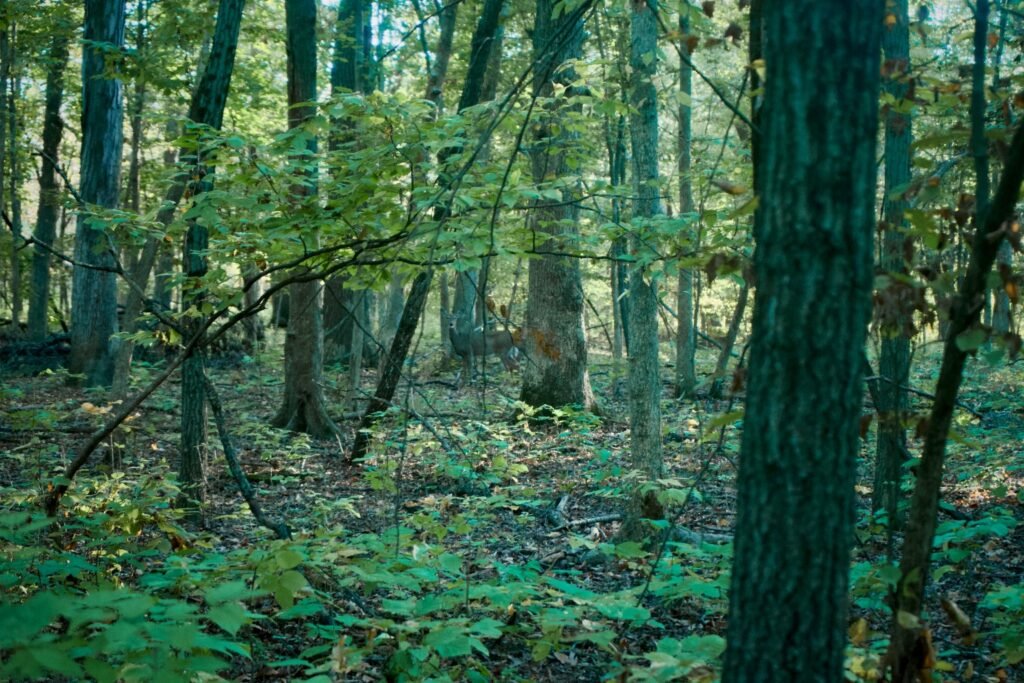
We’ve all seen them.
The videos of that monster buck taken on public land.
The pictures floating around social media of a duck hunt that looked absolutely perfect—limits filled, sunrise glowing behind the blind, everything unfolding exactly the way it’s supposed to.
You watch enough of that and something happens.
You get fired up.
You tell yourself, I’m going out there and I’m going to do this.
You convince yourself you’re ready. That you’ve learned enough. That this is the hunt where it finally comes together.
And if we’re being honest, even the most experienced hunters do this.
I know I do.
Then you get out there… and nothing happens.
No movement.
No shots.
No moment where everything clicks.
Just hours of quiet.
And if I’m being completely honest, that version of a hunt happens to me far more often than the one that looks good in a photo.
That’s the true reality of hunting.
The Expectations We Bring Into the Woods
Most frustration in hunting doesn’t come from poor setups or bad decisions.
It comes from the expectations we carry in without realizing it.
Before the truck ever leaves the driveway, most of us already have a picture in our head of how the hunt is supposed to unfold. It doesn’t feel like fantasy. It feels reasonable. Familiar. Almost earned.
We expect movement early.
We expect confirmation that we picked the right spot.
We expect some kind of feedback that tells us we’re on track.
We don’t always expect success.
But we expect something.
And when the woods don’t provide that, doubt starts creeping in.
When Nothing Happens and It Feels Wrong
You get set up.
You settle in.
The light changes.
And then… nothing.
No deer slipping through the timber.
No ducks working the spread.
No sign that your effort is being acknowledged at all.
That’s when your mind starts working against you.
Did I misread this spot?
Should I have gone farther?
Why does this feel so different than it’s supposed to?
This is usually the point where people convince themselves they picked the worst possible place to sit and start replaying every decision they made on the walk in
Not because anything actually went wrong—but because silence arrived sooner than expected.
The Need for Confirmation
One of the hardest habits to break in hunting is the need for confirmation.
We want the woods to tell us we’re right.
Movement feels like validation.
Action feels like progress.
Noise feels like proof.
When none of that happens, uncertainty sets in—and uncertainty is uncomfortable.
So we move.
We adjust without information.
We make decisions to relieve anxiety instead of improve outcomes.
Looking back, a lot of my early “adjustments” weren’t thoughtful at all.
They were reactions—moments where judgment gave way to the urge to do something, even when nothing actually needed fixing.
Unlearning What a “Good Hunt” Feels Like
Here’s the realization that took me years to fully accept:
Most good hunts don’t feel good while they’re happening.
They feel slow.
They feel quiet.
They feel uncertain.
That doesn’t line up with the hunting content most of us consume.
What we see online is compressed success—short clips, clean outcomes, and clear resolution. What we don’t see are the long stretches of waiting, the boredom, the doubt, and the hunts that end without anything to show for them.
Those hunts make up the majority of real hunting.
And until you unlearn the expectation that something should be happening, those hunts will always feel like failures—even when they aren’t.
The Woods Don’t Owe You Feedback
This was a hard lesson for me to learn.
The woods don’t respond on your timeline.
They don’t explain themselves.
They don’t reassure you when you’re uncomfortable.
Silence doesn’t mean you’re wrong.
Stillness doesn’t mean nothing is happening.
It just means the cycle you’re hunting doesn’t care about your expectations.
Once I stopped expecting the woods to validate my decisions, something shifted—similar to the kind of restraint that comes from respecting seasons, limits, and the land itself.
I stopped needing movement to feel confident.
I stopped assuming quiet meant wasted time.
I started letting the hunt unfold instead of trying to force clarity.
Learning to Sit With the Silence
One thing that helped me slow down was giving my mind something quiet to focus on instead of letting it spiral.
Sometimes that looks like glassing edges or studying how the wind is behaving. Other times, it’s as simple as ranging landmarks—trees, trails, openings—using a rangefinder, not because I need the distance right then, but because it forces me to stay present.
It turns waiting into observing.
Instead of watching the clock, I’m learning the space.
Instead of wondering why nothing is happening, I’m paying attention to what is happening.
The silence stops feeling empty and starts feeling useful.
What Changes When Expectations Fall Apart
When you finally let go of the picture in your head, the hunt starts to feel different.
Time slows down.
Silence becomes neutral instead of threatening.
You start noticing details you would’ve ignored before.
Wind patterns.
Subtle sound changes.
The difference between empty quiet and patient quiet.
You’re no longer waiting for the woods to perform.
You’re studying them.
Why This Affects Experienced Hunters Too
This isn’t just a beginner problem.
In some ways, experience makes it harder.
You’ve seen success before.
You know what’s possible.
You remember hunts where everything came together.
So when a hunt doesn’t match those memories, it’s easy to assume something is off.
But the woods don’t repeat themselves.
Each season resets the board.
Each hunt writes its own rules.
Each sit demands patience without promises.
The difference with experience is learning to sit inside uncertainty without panicking.
Not because you know something will happen—but because you’re okay if it doesn’t.
The Real Work of a Hunt
Most hunts don’t teach you how to harvest an animal.
They teach you how to sit with doubt.
They teach you how to resist reacting just to feel productive.
They teach you how to trust time instead of chasing confirmation.
Slowly, without realizing it, your expectations change.
You stop measuring hunts by outcomes.
You stop needing constant feedback.
You stop assuming quiet equals failure.
That’s when hunting becomes honest.
The Hunts No One Posts About
No one posts the hunts where nothing happens.
No one shares the mornings where you sit until midday, pack up quietly, and leave unsure whether you learned anything at all.
But those hunts matter.
They strip away false expectations.
They build judgment without reward.
They recalibrate how you think.
And if I’m being honest, those are the hunts I have more often than not.
They don’t look good online.
They don’t make exciting stories.
But they’re the reason I keep going back.