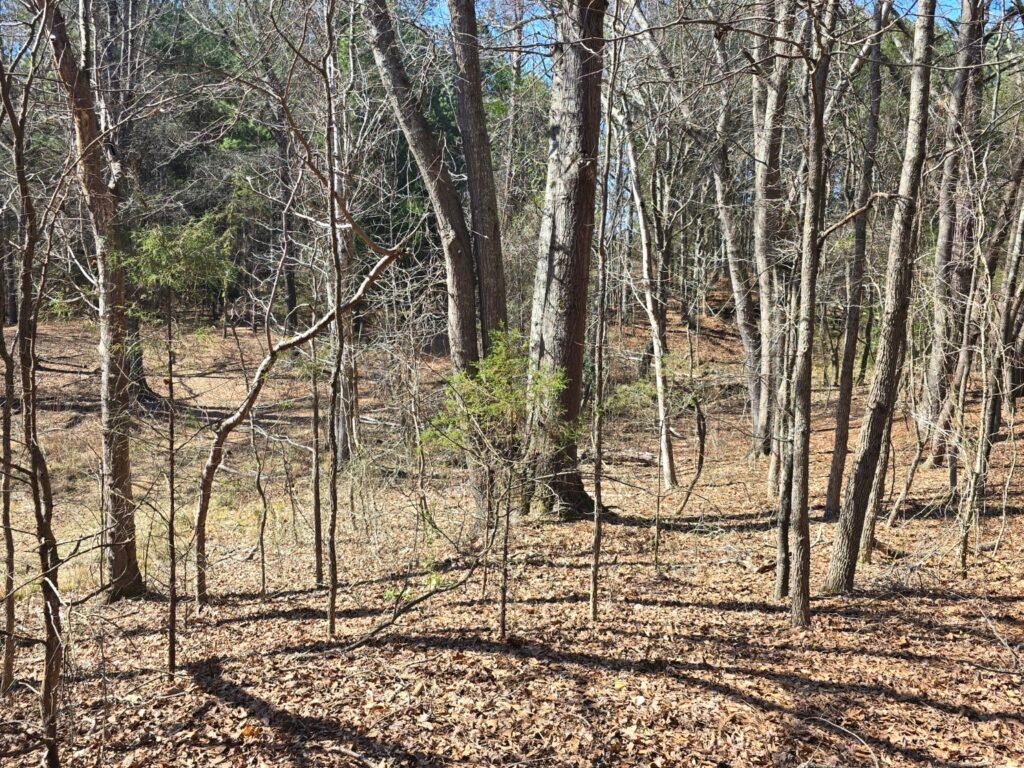
Planning tree stand access routes is one of the most overlooked parts of deer hunting. Many hunters spend hours scouting terrain, finding deer sign, and choosing the perfect tree for a stand, but a poor access route can ruin a hunt before it even begins.
If deer detect movement, scent, or noise while a hunter is walking to their stand, they may leave the area long before the hunter ever climbs the tree.
Understanding tree stand access routes and how to enter without spooking deer allows hunters to reach their stand quietly while keeping scent away from deer travel routes.
How to Choose Where to Place a Tree Stand
Why Tree Stand Access Routes Matter
Whitetail deer rely heavily on their senses to detect danger. While hunters often focus on scent control once they are sitting in their stand, scent can become a problem long before the hunt even begins.
If wind carries human scent across deer travel routes during the walk in, deer may become alert or leave the area entirely.
Noise can also play a role. Walking through dry leaves, snapping branches, or moving through thick cover near bedding areas can easily alert deer before daylight.
Because of this, experienced hunters spend almost as much time planning how they approach a stand as they do choosing where to place it.
Morning Hunts Are Often the Most Difficult
Tree stand access routes become even more important during morning hunts.
In the morning, deer are often already moving through the woods as they return to bedding areas after feeding overnight. This means hunters walking to their stand before daylight may cross paths with deer that are already nearby.
In my experience, I’ve spooked far more deer during morning hunts than evening hunts simply because deer are already out moving through the woods.
If a hunter crosses a deer trail or pushes scent through a travel route while walking to the stand, deer may detect that disturbance and leave the area before the hunt even begins.
This is one reason some hunters prefer evening hunts when introducing new hunters to the sport.
During evening hunts, deer are usually still bedded when hunters enter the woods, which often allows for a quieter approach.
Morning vs Evening Stand Placement for Deer Hunting
A Lesson from a Difficult Property
Years ago I hunted a 57-acre landlocked property near Lowville, New York that taught me just how important entry routes can be.
The back property line bordered a large gun club, which meant I really only had one reliable way to enter the land.
The northeast corner of the property sat along a ridge overlooking a creek crossing and about an acre of standing corn that the farmer left up during hunting season.
From a terrain perspective, the spot was perfect. Deer regularly crossed the creek, the standing corn provided food, and the ridge created a natural travel corridor.
The entire corner was about ten acres that could realistically be hunted from a single stand placed along the edge of the hardwoods.
The problem was access.
Because the property was landlocked and bordered by the gun club, my entry options were limited. Wind direction often determined whether I could even attempt to hunt that corner without pushing scent into the area.
That experience forced me to create a personal rule that I still follow today.
My Personal Rule for Entry Routes
When I began hunting that property, I made a rule for myself.
For every hunting area, I try to establish at least two entry routes and at least two stand locations.
Each stand corresponds with the entry route that allows me to approach without pushing scent into deer travel routes.
I determine these routes during scouting well before the season begins. While scouting, I study the terrain and think about how wind direction will affect how I move through the woods.
When I arrive to hunt, the first thing I do is check the wind.
Based on that wind direction, I choose the entry route and stand location that allow me to enter the area quietly while keeping scent away from deer movement.
This system prevents me from forcing a hunt when conditions are wrong.
How Wind and Thermals Affect Tree Stand Placement
Using Terrain to Hide Your Approach
Terrain features can help hunters move through the woods without alerting deer.
Some common ways hunters use terrain for access include:
• walking along creek bottoms
• approaching from the backside of ridges
• entering through thicker cover
• avoiding open feeding areas
These natural features help conceal movement and reduce the chances of deer detecting a hunter.
Where to Hang a Tree Stand on a Ridge
How to Hunt Saddles with a Tree Stand
Using terrain correctly can allow hunters to slip into their stand locations without disturbing deer in the area.
Gear That Helps Quiet Entry
Certain gear can also help hunters move through the woods more safely and quietly.
Headlamps make early morning walks easier while keeping both hands free for navigating rough terrain.
Climbing stands allow hunters to adjust stand placement when access routes change or when hunting unfamiliar areas.
Safety harnesses should always be worn when climbing into elevated stands.
Tree Stand Access Route FAQ
Why do hunters spook deer while walking to their stand?
Deer may detect movement, noise, or human scent while hunters walk through the woods before daylight.
Why are morning hunts harder for access routes?
In the morning, deer are often already moving through the woods as they return to bedding areas, increasing the chances of crossing paths with hunters.
Should you have multiple entry routes to a stand?
Yes. Multiple entry routes allow hunters to adjust their approach based on wind direction and deer movement.
How can terrain help with stand access?
Creek bottoms, ridge backsides, and thick cover can help conceal movement while entering a stand.
Final Thoughts
Tree stand placement is only part of successful deer hunting. How a hunter enters the area can be just as important.
Morning hunts often require extra caution because deer are already moving through the woods. Evening hunts can sometimes be more forgiving, but wind direction and entry routes still matter.
Hunters who plan quiet access routes and adjust their entry based on wind conditions often avoid alerting deer before the hunt even begins.