What “Prepared” Really Means When Camping (And What It Doesn’t)
If you spend any time reading about camping, you’ll hear the word prepared often.
Be prepared.
Stay prepared.
Don’t go out unprepared.
For many people—especially beginners—that word can start to feel heavy. Instead of confidence, it creates pressure. As if being prepared means expecting something to go wrong.
I understand that feeling well.
I still remember the first camping trip I ever packed for on my own.
It was a short trip—maybe two and a half days. My dad called from work on a Friday afternoon and said, “Pack your stuff. We’re going camping this weekend.”
Simple enough.
In theory, I needed a tent, a sleeping bag, a stove, some food, and clothes.
That’s what I should have packed.
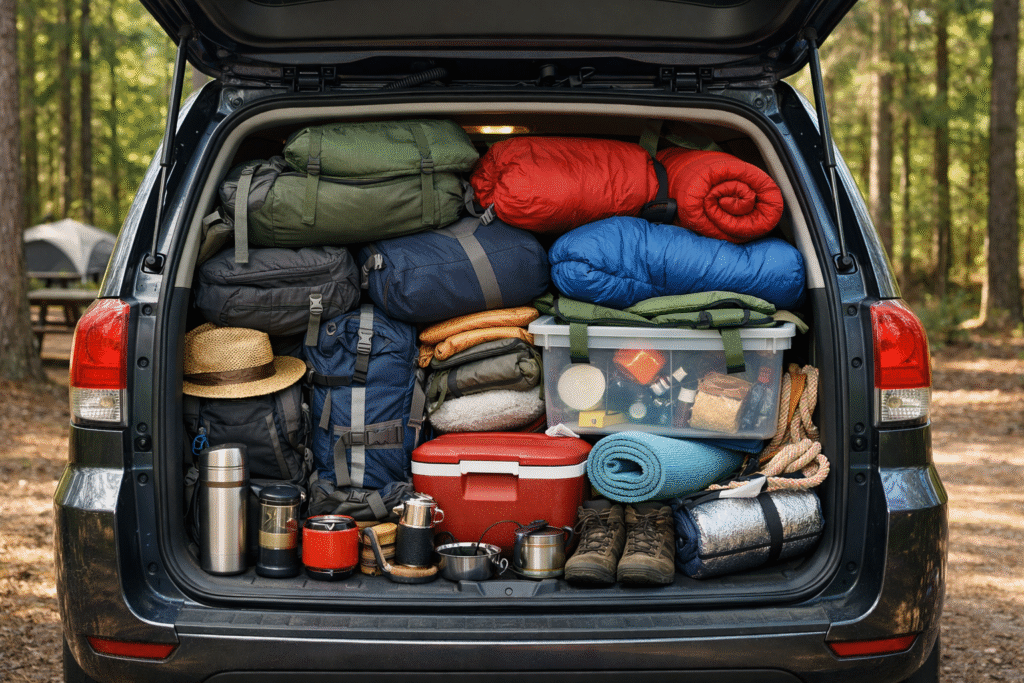
What I actually packed was everything listed above… plus a spare tent. Every camping accessory I owned. Every camping accessory my dad owned. Three outfits per day—just in case a blizzard hit in the middle of summer. Two sleeping bags, and to this day I still don’t know why.
Looking back, it wasn’t experience I packed—it was fear.
My dad had always handled the planning, so I didn’t yet understand what actually mattered. Without confidence, I packed everything.
That trip taught me something important early on: being prepared without understanding often leads to over-preparing.
Why “Prepared” Feels Overwhelming at First
Camping itself isn’t what overwhelms people—information does.
Long gear lists
Conflicting advice
Worst-case scenarios framed as necessities
Without experience to filter that noise, it’s easy to believe preparedness means planning for every possible outcome. That pressure alone can drain excitement before the trip even begins.
Preparedness should simplify decisions, not complicate them.
What Being Prepared Actually Means
At its core, being prepared means being ready for the most common situations—not every possible one.
It means:
- Knowing where you are and how to get back to camp
- Having enough food, water, and warmth for the conditions
- Being able to handle small, everyday issues calmly
- Feeling confident adjusting when plans change
Preparedness is a mindset before it’s a packing list.
This is why understanding outdoor safety and basic first aid isn’t about fear—it’s about protecting the experience so it stays enjoyable.
What Being Prepared Does Not Mean
Being prepared does not mean:
- Packing for every emergency scenario
- Carrying gear “just in case” you might need it someday
- Turning a camping trip into a checklist marathon
- Expecting things to go wrong
Over-preparation can quietly steal enjoyment. When everything feels complicated, it’s harder to relax—and relaxation is one of the main reasons people camp in the first place.
Confidence Comes From Simplicity
Confidence grows when systems are simple.
Simple gear
Simple meals
Simple routines
The more familiar you are with what you carry—and why you carry it—the calmer you become when something small doesn’t go as planned. That calm response is real preparedness.
Experience teaches this naturally. Every trip shows you what you didn’t need, what you were glad you had, and what you might add next time.
For beginners, this learning curve is part of the process—and it doesn’t need to be rushed.
For those just starting out, a beginner-friendly guide can help build confidence without adding pressure.
Preparedness Protects the Enjoyment
The biggest benefit of preparedness isn’t just safety—it’s peace of mind.
When you’re prepared:
- Small setbacks don’t derail the day
- Kids feel calmer because adults are calm
- Adjustments feel manageable instead of stressful
- You stay present instead of worrying about everything that could happen
That’s the difference between simply getting through a trip and truly enjoying it.
Prepared Is a Moving Target
Preparedness isn’t something you achieve once and check off forever. It changes with experience.
What felt necessary on my first trip feels excessive now. And what I carry today may change again in the future.
That’s growth.
Confidence comes from time outside—not from getting everything perfect before you go.
Final Thoughts
Being prepared doesn’t mean expecting the worst.
It means respecting where you are, who you’re with, and the experience you’re stepping into.
The goal isn’t perfection.
It’s confidence.
And confidence keeps camping what it should be—simple, enjoyable, and worth coming back to.