Outdoor Safety & First Aid: Why Being Prepared Keeps the Outdoors Enjoyable
So much can happen when you’re having fun outdoors. A quiet walk, an evening fishing trip, a short hike, or a family camping weekend can all change in an instant. One thing that can steal the joy from any outdoor experience is being unprepared for the unfortunate slip, trip, or fall.
Most of our daily lives are spent on sidewalks, even floors, driveways, or playing in the yard with our kids. When someone gets hurt in those settings, we’re usually close to home, close to supplies, and close to help. In the outdoors, things are different. Distance, uneven terrain, weather, and limited resources change the equation entirely.
That reality isn’t a reason to avoid the outdoors. It’s simply a reason to be prepared.
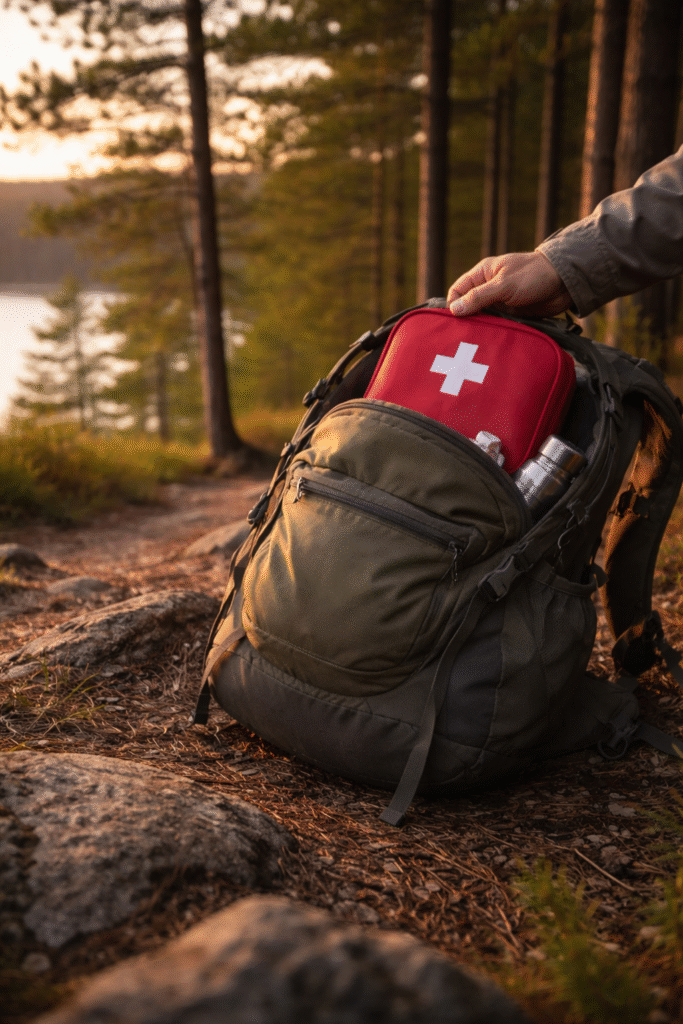
Carrying a basic first aid kit—no matter how short the trip—can be the difference between a great day out and a bad one.
Why Outdoor Injuries Are Different
Outdoor injuries are rarely dramatic. More often, they’re small problems that grow into bigger ones because they aren’t addressed early.
A minor blister becomes painful enough to cut a hike short.
A small cut becomes irritated and infected.
Dehydration creeps in slowly until energy and focus drop.
A child takes a fall and needs more than reassurance.
These situations don’t mean someone was reckless or inexperienced. They happen to beginners and seasoned outdoorsmen alike.
The outdoors doesn’t punish people—it simply exposes gaps in preparation.
Preparedness Isn’t Fear — It’s Respect
There’s a misconception that carrying first aid gear means expecting something bad to happen. In reality, it’s about respecting the environment you’re stepping into.
Preparation allows you to:
- Stay calm when something goes wrong
- Take care of minor issues before they escalate
- Keep the focus on enjoying the experience
- Protect the people you’re with, especially kids
Preparedness doesn’t take away from adventure—it protects it.
The Basic Outdoor First Aid Kit (What Actually Matters)
You don’t need a massive trauma bag for most outdoor activities. What you do need is a small, practical kit that covers the most common issues.
Here are the basics that belong in every outdoor pack:
Bandages and Wound Care
- Adhesive bandages (multiple sizes)
- Gauze pads
- Gauze wrap or elastic wrap
- Antibiotic ointment
Small cuts and scrapes are extremely common outdoors. Treating them early keeps dirt, bacteria, and irritation from turning a minor issue into a real problem.
Skin & Irritation Relief
- Poison ivy cream or ointment
- Antihistamine (such as Benadryl)
- Tweezers
Plants, insects, and allergens are part of being outside. Having the ability to remove a splinter, treat a rash, or calm a reaction can make a huge difference in comfort and safety.
Blister Prevention & Treatment
- Moleskin or blister pads
Blisters end more outdoor trips than people realize. Over the years, I’ve personally relied on blister packs more times than I can count. A hot spot treated early can keep you moving comfortably instead of limping back early.
Support & Stability
- Elastic ankle or joint wrap
Uneven ground, loose rocks, roots, and wet surfaces make minor sprains more likely outdoors. A simple wrap can provide enough support to safely finish a trip or hike out without making things worse.
Tools
- Small scissors
- Tweezers
Simple tools allow you to cut gauze, trim moleskin, or remove debris safely and cleanly.
Hydration Support
- Electrolyte or hydration supplements
Dehydration happens faster than many people expect, especially in warm weather or during physical activity. Even experienced outdoorsmen can misjudge hydration. A simple electrolyte supplement can restore balance and energy quickly.
Real Experience Matters
Over the years, I’ve used my first aid kit more times than I can count. I’ve watched kids take spills that needed a bandage. I’ve dealt with blisters that would have ended my day if I hadn’t been prepared. I’ve realized I was dehydrated mid-activity and been able to correct it before it became serious.
These aren’t dramatic stories. That’s the point.
Preparedness doesn’t exist for rare emergencies—it exists for everyday outdoor moments.
Short Trips Still Deserve Preparation
One of the most common mistakes people make is assuming short trips don’t require preparation.
“Just an hour.”
“Just a quick evening walk.”
“We’re not going far.”
Ironically, many injuries happen during short outings because people leave gear behind.
If you’re carrying a pack, even a small one, there’s room for a basic first aid kit. The weight is minimal. The benefit is significant.
Teaching Preparedness Builds Confidence
When kids see adults calmly address small injuries, they learn that:
- The outdoors is manageable
- Mistakes don’t mean panic
- Being prepared is normal
This builds confidence, not fear. It encourages exploration rather than hesitation.
Preparedness is part of passing down outdoor tradition responsibly.
Final Thoughts: Stay Ready, Stay Outside
The outdoors offers peace, challenge, clarity, and connection. Minor setbacks shouldn’t be the reason a great day turns into a bad memory.
Carrying a simple first aid kit doesn’t mean expecting something to go wrong. It means respecting the reality that things sometimes do—and choosing to be ready.
Preparation keeps the focus where it belongs:
on enjoying the time outside, together.