Fishing lures get a lot of attention in tackle shops and online videos, but long before artificial baits existed anglers were catching fish using something much simpler.
Live bait.
Worms, minnows, crickets, and other natural bait have been used for generations because they imitate exactly what fish already eat in their environment.
For many situations, especially when fish are inactive or the water conditions are difficult, live bait for fishing can be one of the most reliable ways to catch fish.
Understanding the different types of live bait for fishing and knowing when to use live bait instead of lures can dramatically improve your success on the water.
For many anglers, learning how to fish with live bait is also one of the easiest ways to start catching fish consistently.
If you’re still learning the basics of equipment and setup, start with [Fishing for Beginners — The Simple Guide to Getting Started] to understand the gear most anglers begin with.
Why Live Bait Works So Well
Fish spend their entire lives searching for food.
In most lakes, rivers, and ponds that food includes small creatures that naturally live in the water such as insects, worms, and small fish.
Live bait works because it presents fish with something that looks, smells, and moves exactly like natural prey.
Unlike artificial lures, live bait provides three major advantages:
• Natural scent
• Natural movement
• Realistic appearance
This combination often makes fish more willing to bite, especially when they are cautious or not actively chasing prey.
Common Types of Live Bait for Fishing
Many different types of live bait can be used depending on the species you’re targeting, but a few options consistently work well for beginners.
Worms
Worms are one of the most common and reliable live baits used in fishing.
They are inexpensive, easy to find, and extremely versatile.
Fish commonly caught with worms include:
• Bass
• Bluegill
• Trout
• Catfish
• Perch
Worms create subtle movement in the water that attracts attention and can be used with very simple setups such as a hook and sinker or under a bobber.
A basic live bait hook setup is often all that’s needed.
Minnows
Minnows are small baitfish that mimic natural prey for larger predatory fish.
Because many species feed on smaller fish, minnows can be extremely effective bait.
Minnows are often used to catch:
• Bass
• Crappie
• Walleye
• Trout
They can be fished under a bobber, slowly retrieved, or presented near the bottom depending on the species you’re targeting.
Their natural swimming motion often triggers strikes from fish that ignore artificial lures.
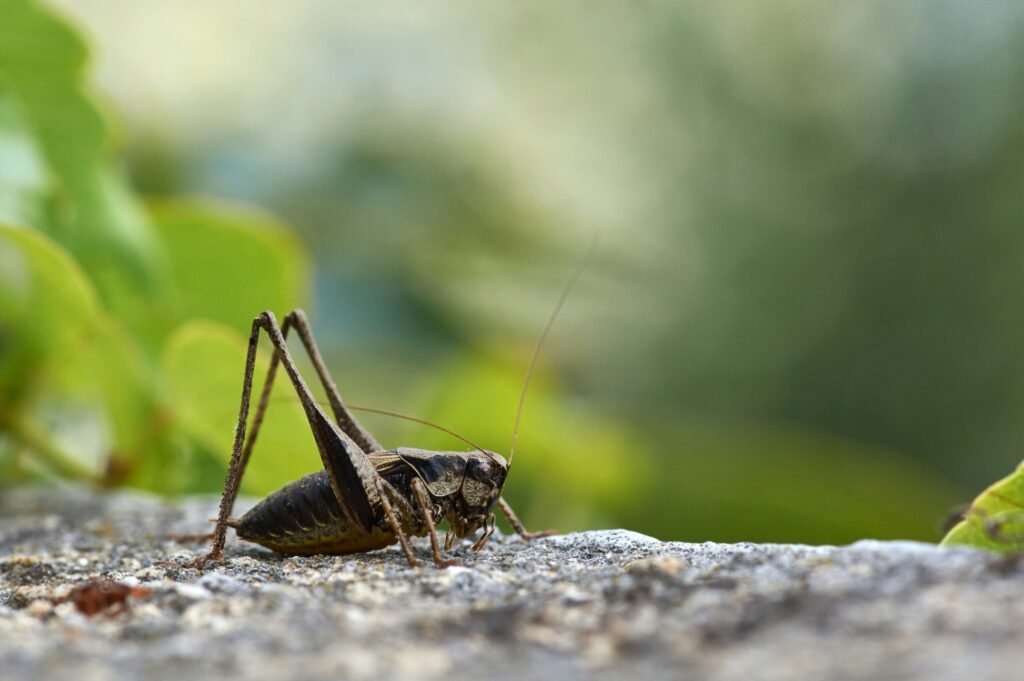
Crickets
Crickets are especially popular when fishing for panfish.
Species like bluegill feed heavily on insects that fall into the water.
Because of this, crickets suspended under a bobber can be extremely effective.
They produce subtle movement on the surface that attracts fish and are commonly used by anglers introducing kids or beginners to fishing.
Other Live Baits
Depending on the region and species you are targeting, anglers may also use other forms of live bait.
Some common examples include:
• Leeches
• Grasshoppers
• Nightcrawlers
• Small baitfish
Learning what fish naturally eat in your area will help you choose the best live bait.
When to Use Live Bait Instead of Lures
Live bait can be effective almost anytime, but certain situations make it especially useful.
When Fish Are Not Actively Feeding
Cold fronts, heavy fishing pressure, or sudden weather changes can make fish reluctant to chase fast moving lures.
Live bait allows you to present a slow, natural meal that fish may still accept.
Many anglers search for the best live bait for fishing, but the real answer often depends on water conditions, fish species, and the time of year.
When Fishing With Beginners or Kids
Live bait setups are simple and effective.
A worm under a bobber can often produce steady bites, which helps keep new anglers engaged and excited.
When Fish Are Using Scent to Find Food
In stained or muddy water fish may rely more on scent and vibration than sight.
Because live bait produces natural scent, it can help fish locate the bait more easily.
Best Fish to Catch with Live Bait
Live bait works well for many species of freshwater fish.
Some of the most common fish caught with live bait include:
• Bass
• Bluegill
• Trout
• Catfish
• Crappie
• Perch
For many beginners, live bait becomes one of the easiest ways to start catching fish consistently.
Live Bait vs Artificial Lures
Both live bait and artificial lures have advantages, and each works better in certain situations.
Live bait usually offers:
• natural scent
• natural movement
• a slower, more patient fishing style
• an easier starting point for beginners
Artificial lures usually offer:
• faster coverage of the water
• more options for triggering reaction strikes
• less mess and easier storage
• more variety in presentation and retrieval
Understanding both methods helps anglers adapt to different conditions. If you are still learning the difference between bait types, our guide on Understanding Fishing Baits and Lures (Types of Fishing Bait Explained for Beginners) explains the major categories anglers use and when each works best.
Simple Live Bait Setup
One reason beginners enjoy fishing with live bait is the setup can be very simple.
A basic live bait rig usually includes:
• Fishing line
• A small hook
• A split shot weight
• A bobber (optional)
The bait is hooked carefully so it stays alive and moves naturally in the water.
Frequently Asked Questions
What is the best live bait for fishing?
Worms are one of the most widely used live baits because they work for many species including bass, bluegill, trout, and catfish.
Do fish prefer live bait or artificial lures?
Both can work well. Live bait often works better when fish are inactive, while artificial lures allow anglers to cover more water and trigger reaction strikes.
What fish bite worms the most?
Worms are commonly used to catch bass, bluegill, trout, catfish, and perch.
How do you keep live bait alive while fishing?
Most live bait should be stored in cool containers with moisture or water. Minnows are typically kept in aerated bait buckets, while worms can be stored in soil or bedding.
Is live bait good for beginner anglers?
Yes. Live bait is one of the easiest ways for beginners to start catching fish because it presents fish with natural prey they already recognize.
Final Thoughts
Live bait has been used by anglers for generations because it simply works.
Learning how to choose the right live bait for fishing and when to use it can dramatically improve your success on the water.
While artificial lures offer many advantages and techniques, understanding how live bait works is an important skill every angler should learn.
As you gain experience, combining both live bait and artificial lures will allow you to adapt to almost any fishing situation.