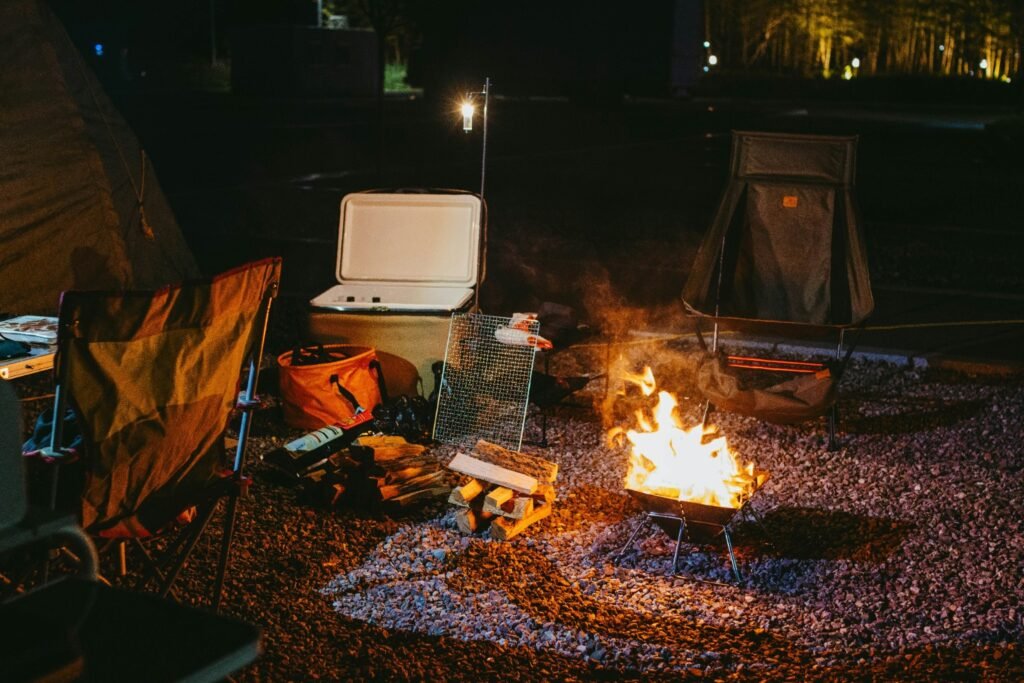
Camping doesn’t usually feel overwhelming because of the woods.
It feels overwhelming because of how we arrive.
For years, I would throw everything into random bins at the end of a trip and deal with it “next time.” That worked — until it didn’t. One rushed arrival, one missing item, one wet tent, and suddenly the first hour at camp was frustration instead of peace.
Eventually I realized something simple:
Camping isn’t stressful.
Disorganized arrival is.
If you organize camping gear with intention — at home, during packing, and upon arrival — setup becomes calm, fast, and repeatable.
This is the system I use now — and I don’t deviate from it.
Why Camping Gear Organization Matters
Most camping stress doesn’t come from forgetting something.
It comes from not being able to find what you packed.
Loose systems create friction:
- Digging instead of moving
- Reacting instead of leading
- Rushing instead of arriving
That first hour determines the tone of the entire trip. I go deeper into that here:
Arrival Chaos: Why the First 30 Minutes Decide the Entire Camping Trip.
Organization protects your mindset.
And mindset determines whether camping feels restorative or chaotic.
Step 1: Organize Camping Gear at Home First
Before packing even begins, your gear should already have structure.
If camping equipment lives scattered across the garage, closets, and random totes, packing becomes stressful before you ever leave.
Create designated storage zones at home:
- One shelf for shelter gear
- One for kitchen equipment
- One for hygiene & personal care
- One for clothing & seasonal items
Clear bins work well because you can see contents immediately. Label everything — even if it feels excessive at first.
Pre-season organization makes packing mechanical instead of emotional.
If you haven’t done that reset yet, start here:
Getting Ready Before the Season Gets Here.
When gear has a home year-round, trips feel smoother before they even begin.
Step 2: Pack by Function, Not by Convenience
Most beginners pack by space.
Whatever fits in a bin goes in that bin.
That’s the fastest way to create confusion at camp.
Instead, pack by function.
Each bin should serve one purpose only.
The Kitchen System (Two Bins)
The kitchen is where most campsites fall apart if it isn’t organized.
I use two clearly labeled bins.
Kitchen Bin 1 — Cooking & Cleaning
- Pans
- Plates and bowls
- Eating utensils
- Cooking utensils
- Foil
- Fire rack
- Skewers
- Sponges
- Cups
- Towels
- Camp-safe soap
Kitchen Bin 2 — Fuel & Supplies
- Dry food
- Trash bags
- Camp stove
- Spare lighters
- Matches
- Fire starter
- Spices
- Pot holders
Cooking and storage are different functions. When you arrive, you can set up the entire kitchen without digging through clothing or tent gear.
Step 3: Clothing With a System (Especially for Kids)
Camping is dirty. Kids will explore. That’s part of it.
So plan for it.
Bring:
- Extra clothes for kids (more than needed)
- One dedicated “tent-only” set per person
- Extra socks
- An extra pair of shoes
Tent-only clothes never go near the fire or dirt. It keeps the tent clean and reduces that stale smell by day two.
That small system makes a huge difference.
Step 4: Hygiene & Personal Care System
Hygiene is often overlooked in camping organization — but it’s one of the most important systems to build.
This gets its own small tote or dedicated bag.
Inside:
- Toothbrushes & toothpaste
- Travel soap or body wash
- Shampoo (if needed)
- Deodorant
- Baby wipes
- Quick-dry towel
- Hand sanitizer
- Nail clippers
- Small trash bag
- Shower shoes or water shoes
Water shoes matter more than people think.
If you’re using campground bathhouses, they protect your feet and keep dirt from being tracked back into the tent.
They also double for creek crossings, muddy shorelines, or unexpected rain.
As a wildland firefighter, I’ve learned that small hygiene systems make a big difference in morale. Clean feet, dry socks, and predictable routines prevent minor discomfort from becoming distraction.
Organization isn’t about luxury.
It’s about removing unnecessary friction.
Step 5: The Tent Bin (Structure Before Comfort)
This bin is packed last — but set up first.
Inside:
- Tent
- Stakes (plus extras)
- Mallet or hammer
- Paracord
- Tent repair kit
- Ground tarp
- Emergency tarp
- Extension cords
- Power strip
- Power banks
- Lanterns
Nothing else goes in this bin.
Structure before comfort.
Step 6: The Daily Carry Bag
Before I pack anything else, I pack my personal bag.
It includes:
- Hydration pack
- Knife
- Lighter
- Compass
- Full water thermos
- First aid kit
- Extra socks
This bag prevents unnecessary digging during setup.
Step 7: The Fun & Accessory Bin
Headlamps (one per person)
Backup batteries
Games
Frisbee or ball
Binoculars
Small organization prevents small conflicts.
The Loading Order (Critical)
Load your vehicle in reverse order of setup:
- Kitchen bins
- Clothing bins
- Hygiene tote
- Tent bin
- Chairs and table
- Personal bags last
Sequence reduces chaos.
What To Do When You Arrive
Set chairs out.
Establish boundaries for kids.
Grab only daily bags.
Sit down.
Breathe.
Your nervous system is still in travel mode.
Give it 30-40 minutes.
Then:
- Set up the tent
- Store clothing & hygiene gear
- Set up the kitchen
- Organize accessories
If you’ve ever felt unsettled even after setup is technically complete, this explains why:
When the Setup Is Done but Your Mind Isn’t
After the Trip: Reset Immediately
The organization system doesn’t end when you get home.
Before storing gear:
- Dry everything completely
- Replace missing items
- Repack bins immediately
- Restock hygiene items
- Remove trash bags
If you skip this step, the next trip starts behind.
Resetting after every trip keeps the system intact year-round.
Frequently Asked Questions
What is the easiest way to organize camping gear for beginners?
Separate gear by function — kitchen, clothing, hygiene, shelter, accessories. Label containers and avoid mixing categories.
Should hygiene items be packed separately?
Yes. A dedicated hygiene tote prevents personal items from getting buried and keeps them accessible.
Are water shoes really necessary for camping?
If you use bathhouses or cross wet terrain, yes. They protect your feet and help keep your sleeping area cleaner.
How do I organize camping gear at home?
Store gear in labeled bins by category. Keep systems intact between trips and reset immediately after returning home.
Why does camping feel chaotic when I arrive?
Because your brain hasn’t transitioned from travel mode to setup mode. A structured unloading sequence and short pause prevent overwhelm.
Camping doesn’t need to feel chaotic.
It just needs a system.
Organize with intention.
Arrive calmly.
Set up deliberately.
Everything else falls into place.