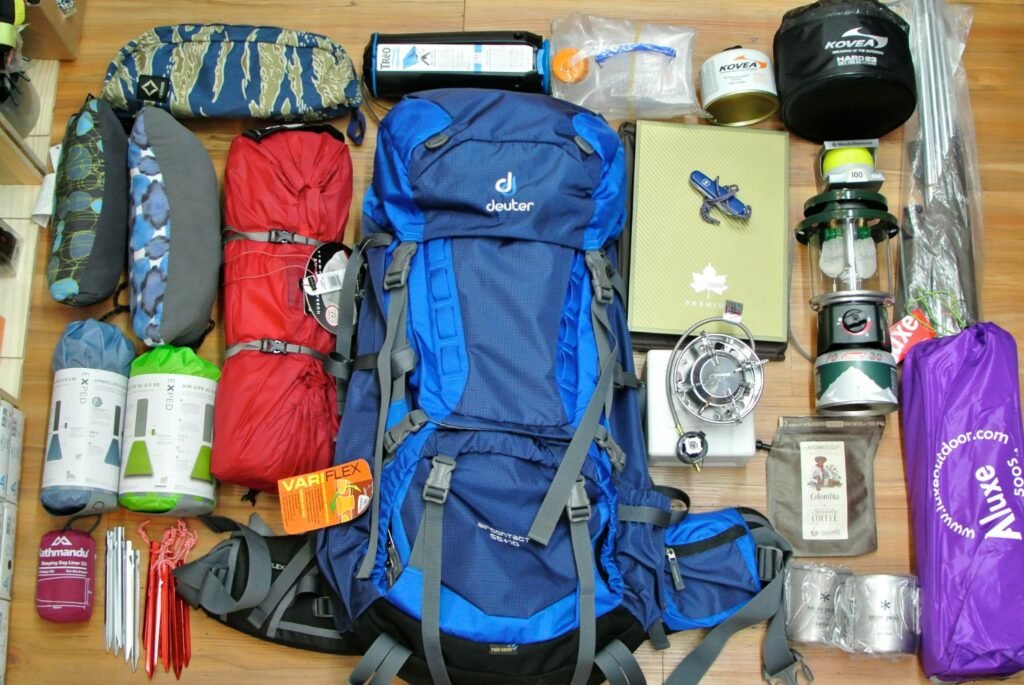
There’s a quiet window before a season really gets going.
Nothing feels rushed yet. Anticipation is still calm instead of urgent. This is the stretch where preparation feels less like a checklist and more like a way of easing into what’s ahead.
This is one of my favorite parts of the cycle. I slow down here. Not in a big, dramatic way—but in small, deliberate steps. Every bit of preparation I do during this window is meant to reduce stress later. To eliminate that quiet question that shows up right before a trip: am I actually ready? It’s the same fragile stretch that often shows up during arrival — something I’ve written about in [Arrival Chaos: Why the First 30 Minutes Decide the Entire Camping Trip].
I always start with my gear.
Not because gear is the point of camping—but because equipment failure has a way of stealing attention from everything else. Nothing will derail a trip faster than realizing something doesn’t work once you’re already out there. Early on, especially when I was still figuring out whether camping really fit me, even small setbacks felt bigger than they were — something I talked through in [The First Time You Camp Alone Feels Nothing Like You Expect].
I go through everything piece by piece.
I usually start with the bigger items. Tents come out first. I set them up fully, even if it’s just in the yard. I wipe them down with light soapy water—not to make them perfect, but to slow myself down enough to notice things. While I’m wiping them down, I inspect everything. I check zippers. I look for small holes. I repair what needs repairing. I make sure doors and windows open and close the way they should.
Once that’s done, I treat them with a water repellent. Not because I expect bad weather—but because I don’t want to think about it later.
After that, I move on to sleeping bags.
I air out all of our summer bags. There’s nothing worse than laying down at the end of a long day and realizing everything smells like it’s been sitting in storage for months. I unzip them fully and lay them over a clothesline or a handrail and let fresh air do what it does best.
Then I get into the accessories.
Lanterns. Stove. The small things that quietly matter. I fire everything up. I make sure it runs smoothly. I clean what needs cleaning. And I take inventory of replacement parts—the little pieces that tend to fail at the worst time. Knowing those parts are available later lets me stop thinking about them once the trip starts. That peace of mind came from learning the hard way—usually at the worst possible moment.
Next come the headlamps.
I make sure they’re all charged and ready to go. Every member of the family gets their own. I pack a few extras too. Light is one of those things you don’t think much about—until you don’t have it. I use a simple, dependable headlamp because it just works, and I don’t want to think about it once the sun goes down.
Finally, I go through the kitchen gear. I make sure everything is clean, functional, and actually there. I don’t add anything new. I just confirm that what we already rely on is ready to do its job. Over time, I’ve learned that being prepared isn’t about adding more — it’s about removing uncertainty, something I explored further in [What “Prepared” Really Means When Camping (And What It Doesn’t)].
These are steps I take every single year. Some years, I do them twice—especially if we’ve been camping a lot.
I don’t do any of this to be perfect. I don’t do it to optimize trips or chase some ideal version of preparedness.
I do it because I want our trips to feel lighter.
I want the first night to feel calm. I want the small frustrations to stay small. And I want the focus to be on being there—not fixing things that could have been handled earlier.
Unfortunately, I learned most of these lessons the hard way.
By writing this, my hope is simple: that you can avoid the frustration of equipment failure, skip some of the stress I went through, and step into your next camping trip feeling ready enough to enjoy it.
That’s really all this season of preparation is about.
I talked through this same preparation window in more detail on the podcast—what I look for, what I ignore, and how it changes the tone of the first night. If you want to stay with the idea a little longer, you can listen here.