When most people start learning about fishing bait, the conversation usually focuses on two things: live bait and artificial lures.
Live bait like worms, minnows, and crickets has natural scent and movement. Artificial lures imitate prey and allow anglers to actively search for fish. Both are widely used and effective in the right situations.
But there’s a third category that many beginners don’t hear about right away — prepared bait.
Dough bait for fishing falls into this category. It’s simple to use, inexpensive, and extremely effective for certain fish species, especially in stocked lakes and ponds. For anglers just getting started, it can actually be one of the easiest baits to fish with.
If you’re still learning the broader differences between bait types, it helps to start with the bigger picture in [Understanding Fishing Baits and Lures], which explains how live bait, prepared bait, and artificial lures all fit together.
This guide focuses specifically on dough bait — what it is, how anglers use it, and when it tends to work best.
What Is Dough Bait?
Dough bait is a soft, moldable fishing bait designed to be shaped around a hook.
Unlike live bait, it isn’t a natural organism. Instead, it’s usually made from a mixture of ingredients such as fish meal, grains, oils, and scent additives. The result is a thick paste or dough that anglers can pinch off and form into a small ball around their hook.
One of the key features of dough bait is scent. Most varieties are heavily scented to attract fish through smell rather than movement. When placed in the water, the bait slowly releases scent while gradually dissolving.
Because of this, dough bait is often used in situations where fish are feeding near the bottom or moving slowly through an area.
Many anglers use specialized products designed for certain species.
These baits are formulated with scents and ingredients that appeal to the target fish.
Fish Species That Bite Dough Bait
Several fish species are known to respond well to dough bait, especially those that feed by scent.
Some common examples include:
Trout
Stocked trout are one of the most common fish caught on dough bait. In many stocked lakes and ponds, trout are already familiar with pellet-based food sources, so dough baits often resemble what they have been raised on.
Carp
Carp rely heavily on scent when feeding. Dough baits can be very effective for carp because they release a steady scent trail in the water.
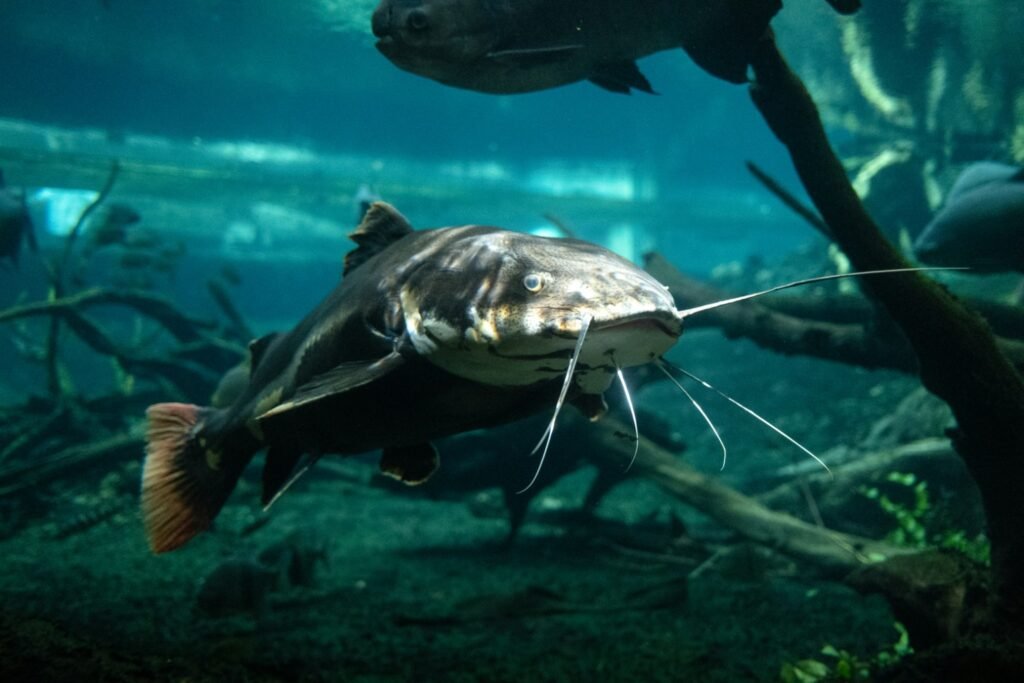
Catfish
Catfish are another scent-driven species. In calm water, dough bait can work well when fished near the bottom where catfish naturally feed.
Panfish
Some panfish species will also pick at dough bait, particularly in areas where fish are used to prepared food sources.
While dough bait works well for certain fish, it isn’t ideal for every situation. Understanding when to use it can make a big difference in your success.
When Dough Bait Works Best
Dough bait tends to perform best in situations where scent is more important than movement.
Some of the most common situations include:
Stocked Trout Ponds
Many anglers use dough bait when fishing for stocked trout. These fish are often used to pellet feed in hatcheries, which makes scented dough baits a natural fit.
Slow or Still Water
Dough bait works well in ponds, lakes, and slow-moving water. In fast current, the bait can dissolve more quickly or wash away from the hook.
Bottom Fishing
Because dough bait doesn’t move much on its own, it’s commonly fished near the bottom where scent can slowly spread through the water.
When Fish Aren’t Chasing Prey
Sometimes fish simply aren’t aggressively chasing baitfish or lures. In these situations, a scent-based bait that sits in place can give fish more time to find and investigate it.
Patience is often part of fishing dough bait. Instead of constantly casting and retrieving, anglers typically cast once and allow the bait to sit while the scent spreads through the water.
Simple Dough Bait Setup for Beginners
One of the reasons dough bait is popular with beginners is that the setup is very simple.
You don’t need complicated gear or techniques.
A basic dough bait setup usually includes:
A Small Hook
Smaller hooks help hold the bait while still allowing fish to bite easily.
Dough Bait Molded Around the Hook
Pinch off a small piece of bait and roll it into a ball. Then press it around the hook until the hook is mostly covered.
Split Shot Weight
A small split shot weight helps the bait sink to the desired depth.
Bobber or Bottom Fishing
Some anglers suspend dough bait under a bobber. Others let it rest on the bottom using a simple weight.
Either method can work depending on the species and water conditions.
The key is making sure the bait stays on the hook long enough for fish to find it.
Dough Bait vs Live Bait
Live bait and dough bait both rely on natural scent, but they work in different ways.
Live bait offers natural movement along with scent. A worm or minnow can attract fish visually as well as through smell.
Dough bait, on the other hand, stays mostly still. It attracts fish by slowly releasing scent into the water.
Both methods have advantages depending on the situation. If you want a deeper explanation of natural bait options, see [Live Bait for Fishing: Types and When to Use Them].
Many anglers carry both types so they can adapt to changing conditions.
Dough Bait vs Artificial Lures
Artificial lures take a completely different approach.
Instead of relying on scent, lures imitate prey through motion, flash, vibration, or color. Anglers retrieve them through the water to trigger reaction strikes from fish.
Dough bait is usually the opposite approach. Rather than actively working the bait, anglers often cast and wait while scent spreads through the water.
If you want to understand how these moving baits work, take a look at [Artificial Fishing Lures Explained], which covers the major types anglers use.
Both styles have their place, and many anglers switch between them depending on the situation.
Frequently Asked Questions
What fish eat dough bait?
Several species will bite dough bait, including trout, carp, catfish, and some panfish. It tends to work best for fish that rely heavily on scent when feeding.
How do you keep dough bait on a hook?
The key is molding the bait firmly around the hook. Roll it into a small ball and press it tightly so it grips the hook. Some anglers also use specialized bait holder hooks with small barbs that help keep soft bait in place.
Is dough bait good for trout?
Yes. Dough bait is one of the most popular baits for stocked trout, especially in ponds and small lakes. Many products are specifically designed to target trout.
Can you catch bass with dough bait?
It’s possible, but dough bait is not commonly used for bass. Bass usually respond better to live bait or artificial lures that imitate prey like baitfish, frogs, or insects.
For many beginners, dough bait offers a simple and effective way to start catching fish without complicated techniques.
It may not get as much attention as live bait or flashy lures, but in the right conditions it can be extremely productive — especially when patience and scent do the work for you.