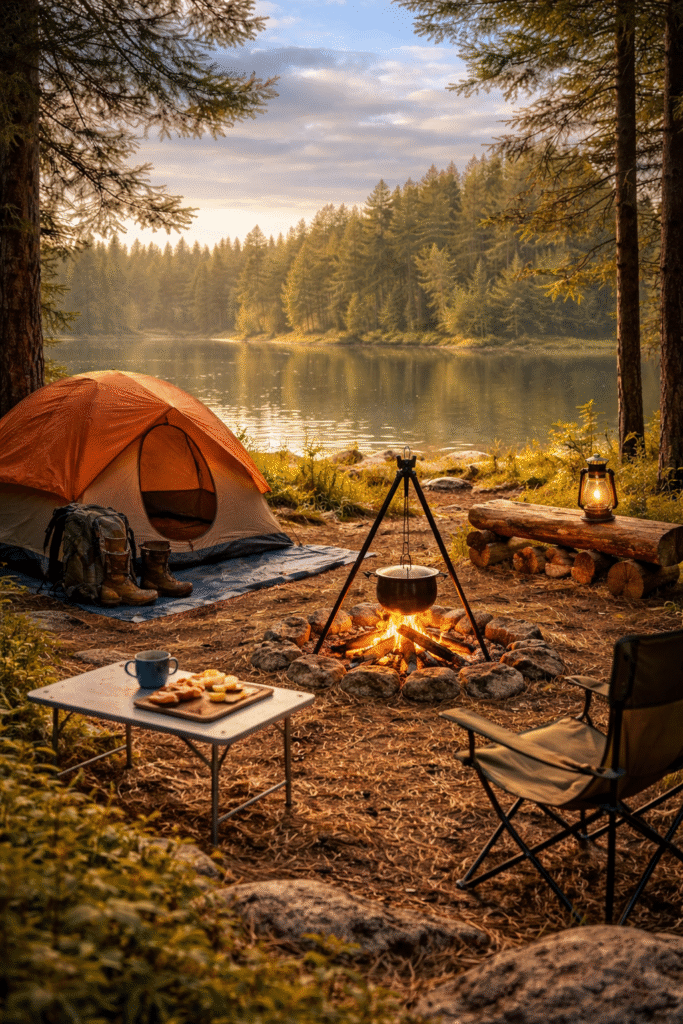
How to Set Up a Comfortable Campsite (Before You Ever Pitch the Tent)
Comfort can make or break a camping trip.
Most camping frustration doesn’t come from being outdoors — it comes from rushing the setup. New campers often pull into a site, unload gear, and pitch the tent as fast as possible, only to realize later that something feels off. The ground isn’t right. The wind is wrong. The fire smoke won’t cooperate. Sleeping is uncomfortable.
A comfortable campsite starts before the tent goes up.
If you slow down for a few minutes and pay attention to your surroundings, you can avoid most of the issues that turn a good trip into a stressful one.
Slow Down Before You Unload Anything
When you arrive at your campsite, resist the urge to immediately unload and start building.
Take a short walk instead.
Look around. Feel the ground. Watch how the wind moves. Notice where the sun is and where it will likely go. These small observations matter more than most people realize.
Camping is easier when you let the site tell you how to set up, instead of forcing things into place.
Find the Most Level Ground You Can
This is one of the most important comfort decisions you’ll make.
Even a slight slope can lead to a restless night, sore backs, or sliding sleeping pads. Look for the flattest area available — even if it means setting up a few feet away from where you originally planned.
Once you think you’ve found a good spot, walk every inch of it.
Take slow steps and pay attention to what you feel under your feet.
Look for:
- Roots
- Rocks
- Ant hills
- Sticks
- Pinecones
- Uneven dips
What you feel standing barefoot or in light shoes is exactly what you’ll feel all night long through your sleeping pad. Taking five minutes to clear the area can make the difference between good sleep and constant tossing and turning.
Always Use a Tarp Under Your Tent
A ground tarp is one of the simplest ways to improve comfort and protect your gear.
There are a few reasons this matters:
1. It Protects Your Tent
Tents aren’t cheap. A tarp adds a protective layer between the ground and your tent floor, helping prevent punctures, abrasions, and long-term wear.
2. It Blocks Small Discomforts
Tiny sticks, sharp grasses, thorns, and weeds may not seem like much — but they can poke through thin tent floors over time. A tarp helps prevent that.
3. It Helps With Unexpected Weather
In many parts of the country — especially the South — weather can change quickly.
If a large storm rolls in and you need to break camp fast, a tarp allows you to:
- Drop the tent quickly
- Roll it up inside the tarp
- Keep everything cleaner and more contained
It doesn’t happen often, but camping is about planning for the unexpected, not assuming perfect conditions.
Just make sure the tarp does not extend beyond the edges of your tent, or it can collect rainwater underneath.
Check Wind Direction Before Setting Anything Up
Wind direction is often overlooked, especially by beginners.
Before setting up:
- Watch how smoke moves (if others are camping nearby)
- Feel which direction the breeze is coming from
- Look at how trees and grass move
This matters for two reasons:
1. Tent Comfort
Wind blowing directly into your tent door can:
- Bring in cold air
- Carry dust and debris
- Create noise all night long
Positioning the tent slightly angled away from the wind helps maintain warmth and quiet.
2. Fire Pit Placement
Always set your fire pit downwind from your tent.
Smoke and embers drifting toward your sleeping area is uncomfortable at best and dangerous at worst. A small adjustment in placement can keep smoke away from:
- Your tent
- Your clothes
- Your food
- Your eyes and lungs
Think About the Sun — Morning and Evening
Sun exposure affects comfort more than people expect.
- Morning sun helps dry dew and warm the campsite
- Afternoon sun can make a site feel hot and exposed
If possible:
- Place your tent where it gets early light but afternoon shade
- Use trees for natural temperature control
- Avoid setting tents in low spots where cold air settles overnight
These small choices improve sleep quality and overall comfort.
One Thing Almost Every Beginner Forgets: A Small Table
This might be the most overlooked comfort item in camping.
A small table gets used constantly:
- Food prep
- Eating meals
- Setting drinks
- Playing games
- Organizing gear
- Keeping items off the ground
Without a table, everything ends up on laps, coolers, or the dirt. That gets old fast — especially for families.
It doesn’t need to be fancy. Just something sturdy and flat makes camp life smoother.
Keep the Campsite Organized From the Start
Comfort isn’t just physical — it’s mental.
A cluttered campsite feels chaotic. A simple organization plan makes everything easier.
A few tips:
- Designate one area for cooking
- Keep sleeping areas clear
- Store loose gear in bins or bags
- Keep walkways open and trip-free
You’ll spend less time searching for things and more time relaxing.
Plan for Comfort, Not Perfection
The goal of setting up camp isn’t perfection — it’s livability.
Comfort comes from:
- Thoughtful placement
- Simple preparation
- Respecting the environment
- Accepting that adjustments may be needed
Camping teaches patience, adaptability, and awareness. The more you slow down and pay attention at setup, the more comfortable the rest of the trip becomes.
Final Thoughts
A comfortable campsite doesn’t require expensive gear or expert knowledge.
It requires:
- Slowing down
- Observing your surroundings
- Thinking ahead
- Respecting the basics
Before you ever pitch the tent, take the time to choose the right spot, prepare the ground, consider wind and sun, and organize your space.
Those few extra minutes can turn an average camping trip into a truly enjoyable one — for you and everyone camping with you.
Comfort isn’t about luxury.
It’s about being thoughtful.