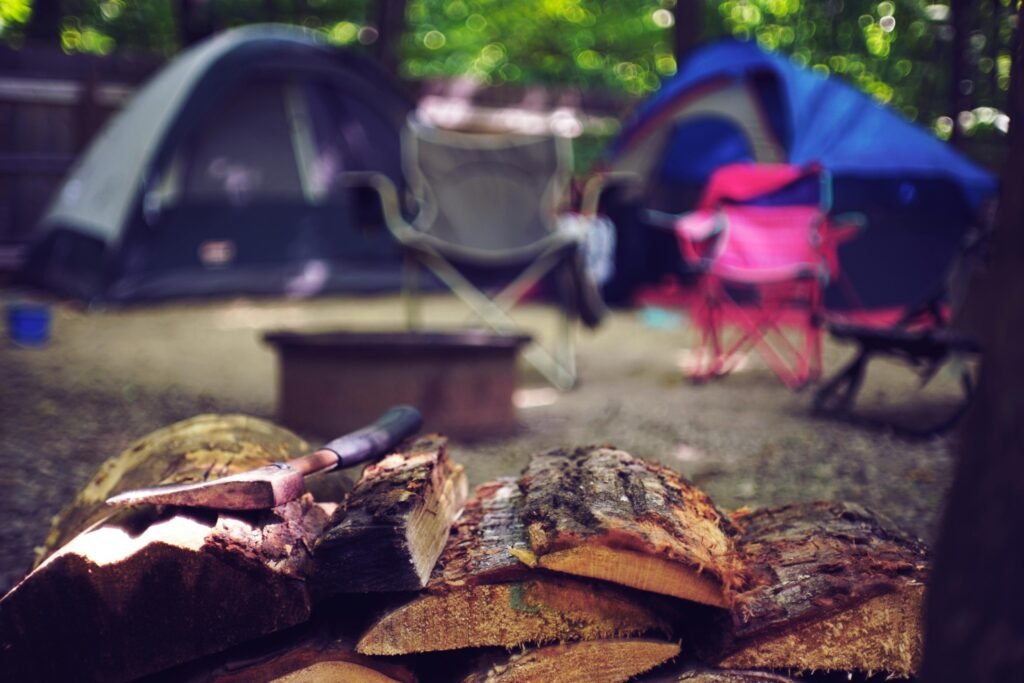
Camping shouldn’t feel overwhelming.
But for a lot of people, it does.
Not because of the woods.
Not because of the gear.
Not even because of the weather.
It feels stressful because there’s no system.
You pack without structure.
You arrive without a plan.
You unload everything at once.
And suddenly the first hour at camp feels chaotic instead of calm.
If you’re new to camping — or if your trips feel more hectic than restful — this guide will walk you through the foundations:
How to plan.
How to pack.
How to arrive.
And how to keep the experience steady from start to finish.
Start With Preparation — Not Packing
Most camping stress starts days before you leave.
Preparation is different than packing.
Preparation means:
• Checking your gear in advance
• Testing equipment
• Replacing missing items
• Thinking through weather conditions
If you wait until the night before to discover something is broken, stress compounds quickly.
I break down that pre-season gear rhythm in more detail here:
[Getting Ready Before the Season Gets Here]
Preparation reduces uncertainty.
Uncertainty creates stress.
Understand What Actually Matters
If it’s your first time camping alone, it’s easy to overcomplicate everything.
You don’t need:
• Every gadget
• Five coolers
• A truck full of “just in case” items
You need:
Shelter
Food
Water
Clothing
Light
Hygiene
Basic safety
That’s it.
If you’re brand new and unsure where to even begin, start here:
[First Time Camping Alone]
Camping becomes calm when you focus on essentials first.
Pack by Function, Not by Space
Throwing items into bins based on what fits is the fastest way to create chaos at camp.
Instead, group gear by function:
Kitchen
Clothing
Shelter
Accessories
Hygiene
When each category has a home, setup becomes predictable.
If you want a full breakdown of how to organize gear properly, read:
[How to Organize Your Camping Gear So Setup Is Calm, Not Chaotic]
Organization doesn’t make camping rigid.
It makes it fluid.
Don’t Ignore Hygiene
This is the part many beginners underestimate.
Camping is dirty — especially with kids.
Bring:
• Extra towels
• Shower shoes
• Basic toiletries
• Wet wipes
• Hand sanitizer
• A small hygiene bag separate from clothing
Shower shoes matter more than most people think. Camp bathhouses and public showers are high-traffic areas. Planning for that keeps the trip comfortable instead of irritating.
Prepared doesn’t mean overpacked.
It means thoughtful.
The Arrival Is Where Most Stress Happens
You packed.
You drove.
You’re tired.
And most people immediately start unloading everything at once.
Instead:
Set chairs out.
Grab water.
Sit down.
Let your nervous system arrive.
You just transitioned from movement to stillness. That takes a few minutes.
I talk about this transition more deeply here:
[When the Setup Is Done but Your Mind Isn’t]
Once you feel settled:
Tent first.
Sleeping gear next.
Kitchen last.
Structure before expansion.
For a step-by-step breakdown of campsite setup order, read: Camping Setup Order: What to Set Up First (And Why It Matters)
Keep It Simple the First Few Trips
Your first few camping trips should feel manageable.
Shorter stays.
Simpler meals.
Fewer moving parts.
Confidence builds from repetition.
And repetition builds enjoyment.
You don’t need to master everything at once.
You need to leave your first trip thinking:
“I can do that again.”
Common Beginner Camping Mistakes
• Packing without a system
• Setting up kitchen before shelter
• Ignoring hygiene planning
• Overloading activities
• Trying to recreate social media versions of camping
Camping is not a performance.
It’s an experience.
Keep it grounded.
I discuss this further in Common Beginner Camping Mistakes (And Why They’re Normal)
Camping Is Supposed to Slow You Down
If a trip feels rushed or chaotic, something in the system needs adjusting.
Not your attitude.
Not your personality.
Your system.
When you plan deliberately, pack intentionally, and arrive calmly, camping becomes what it’s meant to be:
Restorative.
And repeatable.
Frequently Asked Questions
How do I prepare for camping as a beginner?
Start by checking your gear several days before your trip. Make sure shelter, lighting, and cooking equipment are functional. Plan meals simply. Preparation reduces last-minute stress.
What is the most important thing to pack for camping?
Shelter and water come first. After that, focus on food, appropriate clothing, lighting, hygiene, and basic safety items.
How do I keep camping from feeling overwhelming?
Use a packing system grouped by function. Arrive slowly. Set up shelter before expanding the campsite. Avoid overloading your trip with unnecessary gear or plans.
Should I bring extra clothes when camping?
Yes — especially for children. Pack extra socks and at least one clean set reserved for sleeping to keep your tent clean and comfortable.
Why does arrival at camp feel stressful?
You’re transitioning from travel mode to setup mode. Taking 20-30 minutes to sit and settle before unloading helps your nervous system reset.