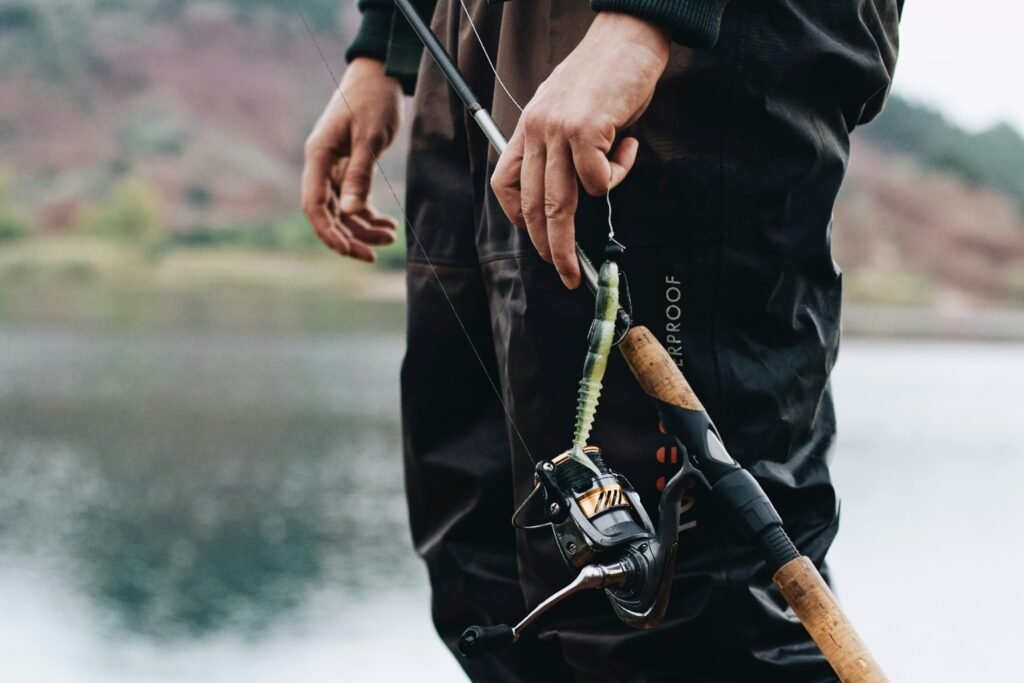
Soft plastic baits for fishing are some of the most widely used artificial baits. Walk down the fishing aisle of almost any tackle shop and you’ll see entire walls filled with them.
These flexible baits are designed to imitate many types of prey that fish naturally eat. Depending on the design, a soft plastic bait may resemble worms, frogs, crawfish, insects, or small baitfish.
Many anglers rely on soft plastics because they are extremely versatile. They can be fished slowly along the bottom, worked through vegetation, or retrieved through open water depending on the situation.
If you’re learning the different bait categories anglers use, [Understanding Fishing Baits and Lures] explains how live bait, prepared bait, and artificial baits all fit together.
This article focuses specifically on soft plastic baits—what they are, the common types that anglers use, and when they tend to work best.
What Are Soft Plastic Baits?
Soft plastic baits are artificial fishing baits made from flexible rubber-like plastic material designed to imitate natural prey.
Unlike hard lures made from metal or plastic bodies, soft plastics move more naturally in the water because of their flexible design. When retrieved or moved by current, their tails and bodies create subtle movement that fish often recognize as food.
Instead of relying on scent like natural bait, soft plastics usually trigger strikes through their appearance and movement in the water.
Because they can imitate so many different types of prey, soft plastic baits are used for a wide range of fishing situations and species.
Common Types of Soft Plastic Fishing Baits
There are many styles of soft plastic baits, but a few categories are especially common.
Rubber Worms
Rubber worms are one of the most popular soft plastic fishing baits, especially in bass fishing.
These baits are designed to imitate worms or small prey moving along the bottom. Their long flexible bodies create natural movement as they are retrieved or dragged through the water.
Rubber worms are often one of the first soft plastics beginners learn to fish.
Soft Plastic Frogs
Soft plastic frogs are designed to imitate frogs moving across the water or through vegetation.
They are commonly used around lily pads, grass, and other heavy cover where frogs naturally live.
Lizards and Creature Baits
Creature-style baits imitate small animals that fish feed on, such as salamanders, insects, or other aquatic creatures.
These baits usually have multiple legs or appendages that move in the water, creating additional motion that can attract fish.
Crawfish Imitations
Many fish species feed heavily on crawfish, especially bass.
Soft plastic crawfish baits imitate the shape and movement of these bottom-dwelling creatures and are often fished along rocks or structure where crawfish naturally live.
Soft Swimbaits
Soft swimbaits are designed to imitate small fish swimming through the water.
They usually feature paddle tails or other tail designs that create a swimming motion when retrieved.
These baits are often used to imitate baitfish that predator fish are hunting.
When Soft Plastics Work Best
Soft plastic baits are extremely versatile and can be used in many fishing situations.
Some common situations where they work well include:
Fishing Around Structure
Soft plastics are often used around rocks, fallen trees, docks, and other underwater structure where fish hide.
Slow Presentations
Sometimes fish prefer slower-moving prey. Soft plastics allow anglers to move the bait slowly along the bottom or through cover.
Bottom Fishing
Many soft plastics imitate creatures that live on or near the bottom, such as worms or crawfish.
When Fish Aren’t Chasing Fast Lures
If fish are not aggressively chasing fast-moving lures, a slower soft plastic presentation can be more effective.
Because soft plastics move naturally and can be fished slowly, they often work well when fish are less active.
Soft Plastics vs Other Fishing Baits
Soft Plastics vs Live Bait
Live bait offers natural scent and movement because the bait is alive.
Soft plastics imitate prey instead. Their design and movement create the illusion of something living in the water.
Both approaches can be effective depending on conditions. To learn more about live bait options, see [Live Bait for Fishing: Types and When to Use Them].
Soft Plastics vs Artificial Hard Lures
Hard lures typically rely on flash, vibration, and movement created by their rigid bodies and metal components.
Soft plastics provide a more subtle presentation. Their flexible bodies create natural movement that can look more like real prey.
If you’d like to learn more about hard lure types, [Artificial Fishing Lures Explained] explains the most common categories anglers use.
Soft Plastics vs Dough Baits
Dough bait is a prepared bait that relies mostly on scent to attract fish.
Soft plastic baits work very differently. They imitate prey visually and through movement rather than releasing scent.
If you’re curious about prepared bait options, [Dough Baits for Fishing: What They Are and When to Use Them] explains how dough bait works and when anglers commonly use it.
Good Soft Plastic Baits for Beginners
The wide variety of soft plastic baits can feel overwhelming at first.
For beginners, it’s best to start simple.
Some easy options to begin with include:
• basic rubber worms
• simple crawfish imitators
• small soft swimbaits
Many anglers start with a small assortment that allows them to experiment with a few different styles.
[bass fishing soft plastic lure kit]
Once you gain experience, you can expand your tackle box with more specialized soft plastic baits and rigging methods.
Frequently Asked Questions
What fish bite soft plastic baits?
Soft plastic baits catch many species of fish. They are especially popular for bass, but they can also catch panfish, walleye, and other predatory fish.
Are soft plastic baits good for beginners?
Yes. Soft plastics are widely used by beginners because they are versatile and relatively easy to fish once you learn the basics.
What is the best soft plastic bait for bass?
Rubber worms and crawfish imitations are among the most common soft plastic baits used for bass fishing.
Do soft plastic baits actually work?
Yes. Soft plastic baits are extremely effective because their flexible bodies create natural-looking movement that fish recognize as prey.
How do you rig soft plastic fishing baits?
Soft plastics are often rigged on hooks designed for them.
These hooks help hold the bait securely while allowing it to move naturally in the water.
Learning a few simple rigging methods can make soft plastic fishing much easier.